A pivotal moment in R.E.M.’s evolution, Lifes Rich Pageant captures the band stepping out of the shadows and into focus. This retrospective long read examines its place in the R.E.M. canon, the creative risks that reshaped their sound, and why this fierce, principled 1986 album marked the point where conviction, clarity, and power finally aligned to signpost the future.
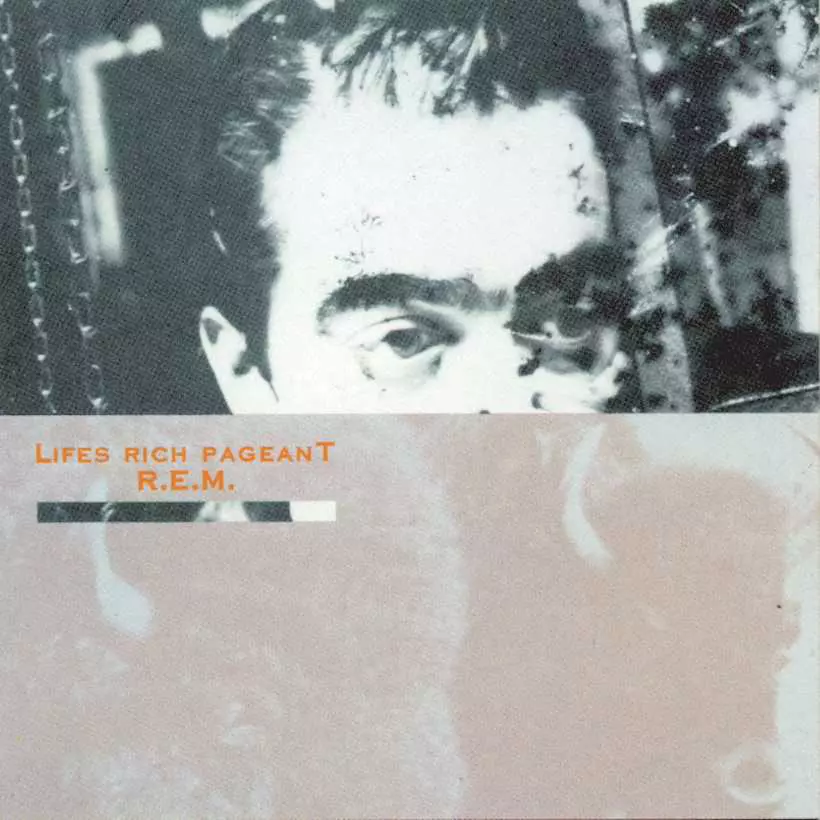
R.E.M. had already built a cult by the time Lifes Rich Pageant arrived in the summer of 1986, but it was still a fragile thing. College radio fame, earnest fanzine devotion, and a reputation for wilful obscurity are not the same as permanence. The first three albums had sketched a band almost mythic in outline: Michael Stipe’s voice half-buried, lyrics treated like overheard conversations, guitars that chimed rather than cut. They were beloved, but they were also evasive. Lifes Rich Pageant is the moment R.E.M. stopped hiding behind atmosphere and decided to speak plainly, loudly, and with intent.
It is their loudest early record, and that matters. Bringing in Don Gehman, fresh from work with John Mellencamp, was a deliberate act of sabotage against their own mystique. Gehman insisted on clarity, punch, and definition. Peter Buck’s guitar was no longer a shimmering fog but a serrated instrument, pushed forward in the mix. Mike Mills’ bass became a melodic force rather than a polite underpinning. Bill Berry’s drumming, often understated on earlier records, snapped into muscular life. This was R.E.M. discovering the value of impact.
The opening run is still startling. Begin the Begin does not drift in, it kicks the door off its hinges. Stipe’s vocal, for once, is up front and intelligible, full of clipped urgency. These are not cryptic mumblings but rallying cries, political and personal tangled together. The world is wrong, systems are broken, and the band sound newly determined to say so. The shift is not just sonic but philosophical. Where Murmur and Reckoning felt inward and impressionistic, Lifes Rich Pageant looks outward, alert to pollution, imperialism, environmental collapse, and moral fatigue.
Fall on Me remains the record’s moral centre. It is a protest song that never once raises its voice, a masterclass in restraint. The lyric is direct without being didactic, the melody aching without self-pity. It is one of the first moments where Stipe’s political writing finds a universal register, rooted in the body and the family rather than slogans. In retrospect, it lays the groundwork for everything from Green to Automatic for the People.
Cuyahoga extends that environmental concern into something almost elegiac. Rivers catch fire, civilisations poison their own wells, and history repeats itself with grim reliability. Yet the song does not despair. There is still a sense of wonder, a belief that naming the damage is a form of resistance. This balance between anger and hope becomes a defining R.E.M. trait, separating them from the hectoring earnestness that doomed many politically minded bands of the era.
Crucially, Lifes Rich Pageant does not abandon joy. These Days barrels along with almost reckless energy, Mills and Berry driving the song like men possessed. I Believe offers a kind of bruised optimism, a declaration of faith that feels hard-won rather than naive. Even Superman, a cover, serves a purpose. Sung by Mills, it punctures any creeping solemnity and reminds the listener that R.E.M. still understood pop pleasure, still valued humour and lightness amid the seriousness.
Within the R.E.M. canon, this album is the hinge. Everything before it is prelude, everything after it is expansion. Without Lifes Rich Pageant, there is no confidence to make Green, no authority to slow things down on Automatic, no credibility when the band take stadiums by the throat in the late eighties and early nineties. It is the moment they realise they can be both principled and powerful, obscure and accessible, righteous and tuneful.
It is also the album where Michael Stipe steps fully into his role as a frontman. Not a rock god, never that, but a communicator. His lyrics sharpen, his vocals project, and his presence anchors the band’s ambitions. He sounds less like a man whispering secrets and more like someone willing to be overheard.
Nearly four decades on, Lifes Rich Pageant feels less like a transitional record and more like a manifesto. It is R.E.M. announcing what they stand for, sonically and ethically, and proving they can do so without sacrificing complexity or grace. Many bands have a moment where talent hardens into purpose. This is R.E.M.’s, and it still crackles with urgency, intelligence, and the thrilling sound of a group realising exactly how good they can be.