RETROSPECTIVE: The Art Punk Blueprint Of Chairs Missing

Nearly half a century after its release to a mixed response from fans and music writers , Wire’s ‘Chairs Missing’ continues to sound like a transmission from the future. While punk’s original fury has long since fossilised into museum pieces, this extraordinary second album remains as sharp, relevant and bewildering as the day it emerged from London’s art-school underground in 1978. No more punk of Pink Flag, synthesisers, atmospheric production and intricate arrangements had the hardcore punks scratching their heads.

What makes an album endure when so many of its contemporaries have faded into historical curiosity? How did four unassuming blokes in sensible jumpers manage to create a blueprint that’s still being copied today? And why does ‘Chairs Missing’ sound more modern than records released last week?

In this retrospective, I explore how Wire’s clinical precision, ruthless economy and gift for subversive melody created something that transcended its punk origins to become one of the most influential albums in rock history. From the metronomic menace of ‘Practice Makes Perfect’ to the gorgeous brevity of ‘Outdoor Miner’, ‘Chairs Missing’ didn’t just predict the future of guitar music – it wrote the instruction manual.


Looking back from our vantage point nearly half a century on, it’s almost impossible to overstate just how thoroughly Wire’s ‘Chairs Missing’ rewrote the rulebook. Released in that feverish summer of ’78 when punk was busy eating itself and disco was conquering the globe, this magnificent second album stands as the moment when four art-school oddities from London quietly laid the foundations for post-punk, alternative rock and about a dozen other genres that didn’t even have names yet.

What’s most striking today is how startlingly modern it still sounds. While the Sex Pistols’ once-revolutionary racket now feels like historical tourism (if you’re interested there is an actual Punk Tour of London), ‘Chairs Missing’ could have been recorded last Thursday. The clinical precision of ‘Practice Makes Perfect’, with its metronomic pulse and Colin Newman’s clipped vocals, created a template that bands are still copying today, whether they know it or not.

Wire’s great trick was ruthless economy. Nothing wasted, everything measured, not an ounce of fat or self-indulgence. When they emerged from the punk scene, they ditched the bondage trousers and safety pins while keeping the urgency and directness. To this unruly mix they added something genuinely new, a cool, analytical intelligence that treated the studio as a sterile surface lab and pop music as an experiment worth conducting properly.

‘I Am The Fly’ still buzzes with menace, Newman’s proclamation that he’s “the fly in the ointment” serving as the perfect manifesto for a band who were always happiest disrupting expectations. They were provocateurs, but never pranksters because there was too much serious intent behind those deadpan expressions.

The album’s great revelation was how Wire embraced melody without sacrificing their edge. ‘Outdoor Miner’ remains one of the most perfectly constructed pop songs of the era, its fabulous hooks and harmonies smuggled in inside a deceptively simple arrangement. At under two minutes, it demonstrated Wire’s other great talent, knowing exactly when to end a song. No three-minute pop formula for this lot, no siree.

‘Heartbeat’, once merely impressive, now sounds positively prophetic, its pulsing electronic textures and detached vocal style laying groundwork for everything from Joy Division to LCD Soundsystem. When Newman asks “How many heartbeats will there be?”, he’s not just confronting mortality but questioning the very mechanics of existentialism heady stuff for a time when most guitar bands were still bellowing about getting pissed or laid, or even being let out at all.

What’s become clearer with each passing decade is how ‘Chairs Missing’ represented a road map for what intelligent guitar music could be, cerebral without being pretentious, experimental without disappearing up its own backside and genuinely challenging without being unlistenable. In their forensic deconstruction of rock conventions, Wire created something far more durable than the three chord thash and bash of contemporaries.

The influence is simply everywhere: from R.E.M. to Radiohead, Elastica and Interpol, even Blur – they all owe some debt to Wire’s clinical brilliance. Even younger bands today, with their angular guitars and oblique lyrics, are still dipping into the well that Wire dug with ‘Chairs Missing’.

Nearly fifty years on, this remains the sound of a band operating with absolute clarity of purpose, creating music that existed entirely on its own terms whether that was jagged or etherial. While countless landmark albums from the period have aged like milk left out of the fridge, ‘Chairs Missing’ stands pristine and untarnished, still bewildering, still thrilling, still essential and still played.

Not bad for a bunch of art-school refugees who looked like mildly rogue bank clerks – which of course was also relatable to anyone making do outside of the Seditionaries clique.

RETROSPECTIVE: In Every Dream Home a Heartache. Parasocial Pop Art.

In the summer of 1973, as glam rock reached its sequinned peak and Britain grappled with economic uncertainty, Roxy Music released what may be their most uncomfortable masterpiece. Buried in the grooves of their second album For Your Pleasure, “In Every Dream Home a Heartache” presented listeners with six minutes of deeply unsettling art rock that most dismissed as typical avant-garde provocation from Bryan Ferry’s art school collective.

Half a century later, the song reads less like artistic statement and more like prophetic warning. What once seemed like an abstract meditation on consumer culture and artificial desire now feels like a documentary of our current moment, an age where human connection is increasingly mediated by technology, where intimacy can be purchased through subscription services, and where the line between authentic and artificial relationship has all but dissolved.


Five decades on, this remains Roxy Music’s most unsettling masterpiece – a six-minute fever dream that anticipated our current relationship with technology, materialism and artificial intimacy with frightening prescience. Arch art school glam rock posturing in 1973 now reads like a prophecy.

Ferry’s tale of romantic obsession with an inflatable doll has only grown more relevant in our age of OnlyFans, dating apps and parasocial relationships. The song’s exploration of commodity fetishism – literally making love to a consumer product – feels less like provocative art school trope and more like documentary realism in 2025. We’re all having relationships with objects now, aren’t we? The machines know the real us better than our friends.

The track’s structural audacity remains breathtaking. A cycling four chord progression led by a ‘cinema organ’ style Farfisa part, the song creates an unsettling foundation that mirrors its psychological terrain. Manzanera’s treated guitar lines snake through Eno’s synthesiser washes like electricity through circuitry, while Chris Thomas’s production – not Eno’s, as often misattributed – captures every whispered confession and orchestral climax with surgical precision.

Thomas, fresh from work with later The Beatles (White Album) and Pink Floyd (DSOTM), understood how to balance Roxy’s avant-garde impulses with their pop sensibilities. His production allows the song to build from intimate murmur to full orchestral delirium, mirroring the psychological trajectory of its narrator’s delusion. After the lyrical conclusion “I blew up your body/but you blew my mind!”, the song climaxes with an extended instrumental section, with the lead taken by guitarist Phil Manzanera – a moment where musical chaos perfectly embodies a psychological breakdown.

The song emerged from a specific cultural crucible: post-swinging sixties Britain, where the optimism of the previous decade had curdled into something more complex and cynical. By 1973, the utopian promises of the consumer society were revealing their hollow core, and Roxy Music – art school graduates steeped in Pop Art theory – were uniquely positioned to dissect this disillusionment.

Ferry’s lyrics don’t just describe commodity fetishism; they inhabit it completely. His delivery oscillates between tender vulnerability and creepy obsession, creating a character study that’s simultaneously sympathetic and deeply disturbing. Lines like “I bought you mail order/My plain wrapper baby” transform consumer language into intimate confession, while “Immortal and life-size/My breath is inside you” elevates plastic fantasy into genuine pathos.

This track sits at the absolute heart of the Roxy canon – more adventurous than the later smooth soul period, more emotionally complex than the debut’s art rock exercises. It bridges the gap between “Virginia Plain”’s pop art collage and “More Than This”’s new romantic melancholy, establishing a template that would prove enormously influential.

The band pioneered more musically sophisticated elements of glam rock, significantly influencing early English punk music, and provided a model for many new wave acts while innovating elements of electronic composition. The DNA of “In Every Dream Home a Heartache” can be traced through decades of subsequent music. The band’s influence ran particularly deep among bands associated with the New Wave movement of the late 70s and early 80s, especially “New Romantic” acts such as Spandau Ballet and Ultravox. The song’s fusion of art school conceptualism with emotional immediacy provided a roadmap for bands seeking to marry intellectual ambition with visceral impact.

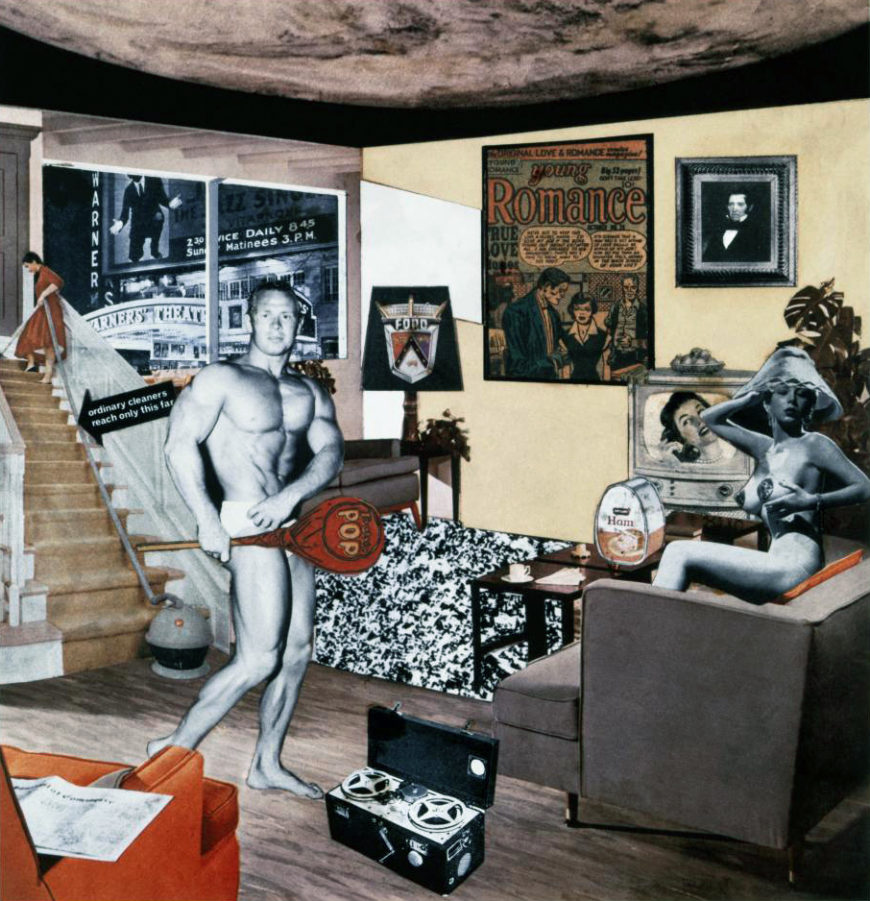
The Pop Artist and Ferry tutor / mentor Richard Hamilton connection runs deeper than surface Pop Art references. Like Hamilton’s domestic interiors in his work ‘Just what is it that makes today’s homes so different, so appealing?’ Ferry presents consumer paradise as psychological prison. The dream home becomes nightmare, the perfect woman becomes plastic fantasy. But where Hamilton maintained ironic distance, Ferry commits fully to his character’s delusion, making the critique more devastating through total emotional investment.

The song functions as both artwork and psychological case study, examining how capitalism doesn’t just sell us products but entire emotional frameworks. In 1973, this felt like avant-garde provocation. Today, it reads like anthropological field notes from our current reality.

“In Every Dream Home a Heartache” anticipated not just our technological predicament but our emotional one. In an era of AI companions, virtual relationships, and increasing social isolation, Ferry’s exploration of artificial intimacy feels less like satire and more like documentary. The song’s central question – what happens when human connection becomes another consumer product? – has never been more relevant.

Essential. Prophetic. Still deeply creepy.

RETROSPECTIVE: Joe Strummer’s Culture Clash Single

The Clash’s Reggae Revolution Examined. Just two years into the Seventies British punk era, this is no three-chord thrash. A brave, culturally and politically insightful brilliant record that asked questions the scene wasn’t ready to answer.

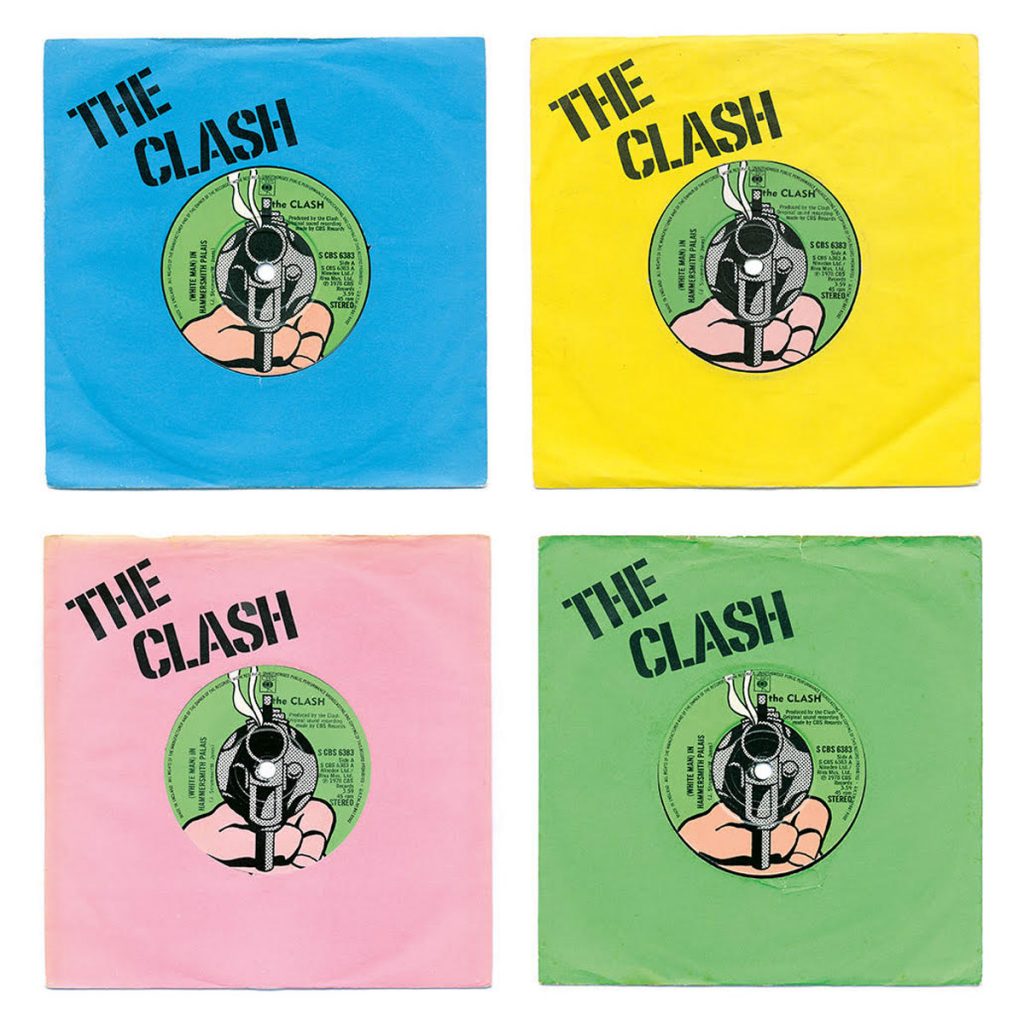
Four Colour The Clash White Man In Hammersmith Palais


Many years on from its release, Joe Strummer and Mick Jones’ most pointed cultural critique still cuts like a razor through the pretensions of punk’s supposed solidarity. ‘Seventy Eight’s “White Man In Hammersmith Palais” wasn’t just The Clash dipping their toes into reggae waters, it was a full-blooded dive into the contradictions of being white, privately educated (or art school) punks singing about revolution whilst signed to a major label.

The genesis of this track lies in Strummer and Don Letts’ pilgrimage to see Jamaican acts like Dillinger, Leroy Smart, and Delroy Wilson (the ‘Smooth Operator’) at the famous West London venue in early 1978. What they witnessed wasn’t the cultural communion Strummer expected, but a stark reminder of his own position as an outsider looking in. The resulting song became punk’s most honest examination of cultural tourism and political posturing.

Musically, it’s The Clash at their most adventurous pre-London Calling. The always under appreciated Topper Headon’s ska beat is perfect, not a ham-fisted attempt but a genuine understanding of reggae’s rhythmic subtleties. Mick Jones’ guitar work walks the tightrope between punk urgency and reggae’s more spacious approach, whilst Simonon’s bass provides the crucial foundation that makes the whole thing swing rather than simply thrash.

But it’s Strummer’s lyrical dissection of the disappointment of that night in the lightweight way the bands presented – plus the culture clash South London zeitgeist that elevates this from mere genre experiment to the essential punk document it has become. His observations about fashion victims “too busy fighting for a good place under the lighting’ and weekend revolutionaries were aimed squarely at punk’s emerging orthodoxies and not for the first time. That fabulous line about ‘turning rebellion into money’ and the hollowness of sloganeering hit closer to home than many wanted to admit. This wasn’t The Clash having a go at the establishment this was them turning the mirror on themselves and their scene, one now infiltrated by the Far Right.

The single’s commercial failure at the time, it barely scraped in, seems almost inevitable in hindsight. A huge fork in the road that was too reggae for the punk purists, too punk for the Rastas, and too uncomfortable for those who preferred their politics less complicated including anti-violence, wealth distribution, unity. Lyrically Strummer is really kicking off. Radio programmers didn’t know what to do with it, and neither did much of the press initially. This ain’t no White Riot redux.

Urban mythology has built up around the track over the years. Some claim Strummer wrote it in a fit of disgust after seeing Far Right punks and skinheads doing Nazi salutes at the Palais gig, though those who were there aren’t convinced of that. Others insist it was a direct response to criticism from Jamaican musicians about white bands appropriating reggae. The truth, as usual, is probably more mundane: four young men trying to make sense of their place in a musical and political landscape that was shifting beneath their feet.

What’s undeniable is the track’s influence on what followed. Without “White Man,” there’s no London Calling album, no “Rudie Can’t Fail,” no bridging of punk and reggae under the influence of Letts’, and that became one of The Clash’s defining characteristics. It opened doors not just for The Clash but forother bands who realised that punk’s year zero mentality was creative suicide and a punky reggae party might be route one for them too.

The production, handled by the band and Sandy Pearlman is sparse without being minimal, allowing each element space to breathe whilst maintaining punk’s essential urgency. The decision to keep Strummer’s vocals relatively low in the mix was inspired it forces you to lean in and listen rather than simply absorb. I’ve got four copies and I dread to think how many times my white ears have heard it. It’s impossible to get bored with.

Looking back, “White Man In Hammersmith Palais” stands as perhaps The Clash’s most prescient moment. Its questions about authenticity, appropriation, and the commodification of rebellion feel more relevant now than they did in 1978. ‘If Adolph Hitler flew in today, they’d send a limousine anyway’ they’d also get his opinion of this week’s Nazi atrocity. In an era when punk has been thoroughly sanitised and packaged for consumption, Strummer’s uncomfortable truths about the music industry are prophetic.

The Clash would go on to greater commercial success, but they never again achieved quite this level of self-awareness. “White Man” remains their most honest song, a moment when they looked in the mirror and didn’t like everything they saw, but had the courage to share that reflection with the world.

RETROSPECTIVE: The Beautiful Madness Of Pet Sounds

From surf music to sonic revolution: why Pet Sounds remains pop’s most extraordinary achievement and Brian Wilson’s last coherent masterpiece.


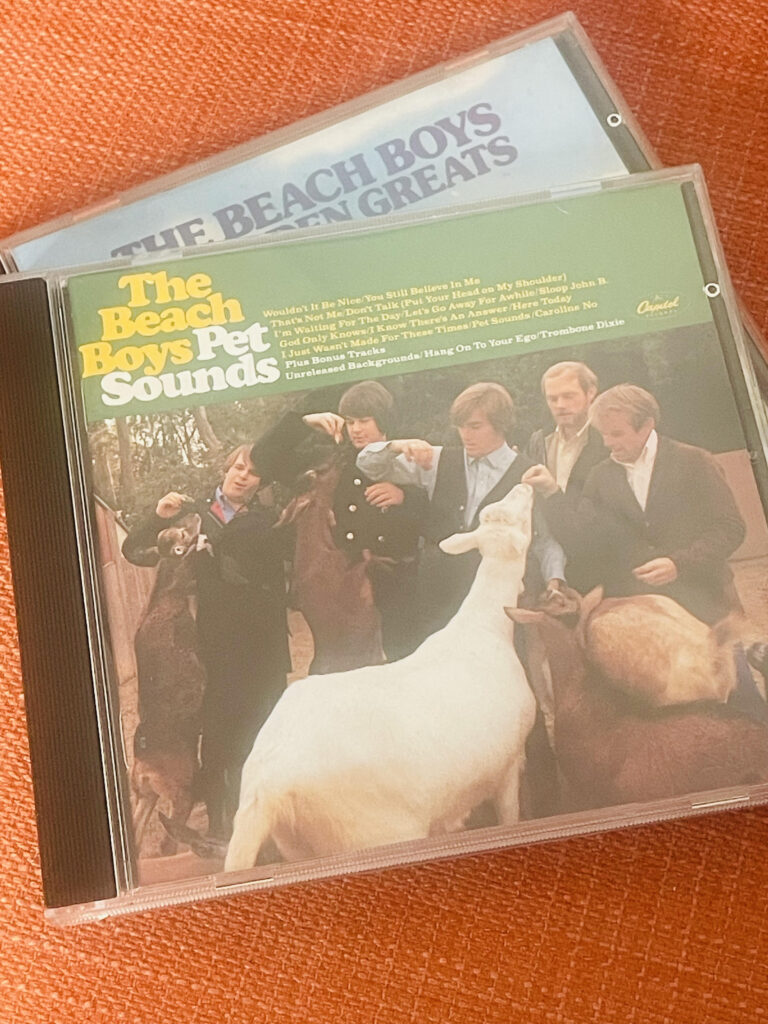
At the passing of the musically creative genius Brian Wilson, I’ve written this sixth decade reappraisal of The Beach Boys album Pet Sounds as a meditation on one of music’s most extraordinary creative achievements. A work that represents both the culmination of years of obsessive craft development and the sound of consciousness chemically expanded beyond conventional limits.

From a technical, production and arrangement perspective Pet Sounds – compared to literally everything produced beforehand anywhere is like comparing a Chevy Bel Air with a Saturn 5 rocket plus Apollo orbiter and lander. But this quantum leap didn’t emerge from nowhere. Wilson had been methodically building towards this moment since 1962, spending obsessive hours in Gold Star Studios, studying Phil Spector’s wall of sound techniques firsthand. By the time of “I Get Around,” he’d already developed an uncanny ability to hear individual instruments within dense arrangements and was experimenting with unconventional microphone placement that suggested an intuitive understanding of acoustic space.

Between 1963-1965, Wilson systematically expanded his musical vocabulary in ways that would prove crucial to Pet Sounds’ revolutionary impact. His harmonic progression from basic surf progressions to the complex jazz-influenced arrangements of “California Girls” and “Help Me Rhonda” shows us his systematic musical development. Wilson was absorbing Bach, studying Four Freshmen arrangements, and incorporating diminished chords and unexpected modulations. Simultaneously, he was cataloguing an increasingly exotic instrumental palette – harpsichord on “When I Grow Up,” orchestral arrangements on “The Warmth of the Sun,” and unusual percussion combinations that would later bloom into Pet Sounds’ bicycle bells, dog whistles, and Coca-Cola bottles.

Perhaps most significantly, Wilson’s vocal arrangements grew increasingly complex through albums like “Today!” and “Summer Days.” He was developing techniques for recording his own voice multiple times to create impossible harmonies, essentially turning himself into a one-man choir. This technical mastery meant that when his consciousness expanded, he had the tools to translate internal complexity into actual sound.

The emotional development running parallel to this technical growth was equally crucial. Wilson’s evolution from teenage surf fantasies to the adult anxieties about love, isolation, and belonging that permeate Pet Sounds wasn’t simply chemical revelation – it was the natural progression of a sensitive artist confronting the complexities of the human condition.

Substitute liquid hydrogen mixed with oxygen and a lit match with LSD and a musical genius and you’ll get Wouldn’t It Be Nice and God Only Knows here, and later Good Vibrations – his unique sounding music incredibly recorded on limiting four track equipment. It famously shook Paul McCartney to up his game and Bob Dylan has since remarked “Brian recorded Pet Sounds with four tracks, nobody else could record it with one hundred”.

Listen to Pet Sounds now, knowing what we know about Wilson’s lysergic acid adventures, and those otherworldly arrangements make perfect sense. Of course “God Only Knows” sounds like it was transmitted from heaven to Wilson’s rewired consciousness while operating on a papal frequency the rest of us can’t even tune into. But the genius wasn’t that Wilson was taking drugs – the entire suburb of Laurel Canyon was tripping in ‘66. The genius was that he was disciplined enough, focused enough, and talented enough to document his pharmaceutical journey with obsessive precision, using a toolkit of techniques he’d spent four years perfecting.

“I Just Wasn’t Made for These Times” we thought it was teenage alienation set to music. That maybe a prophetic autobiography from someone who’d already glimpsed his own future. The Theremin isn’t just an exotic instrument; it’s the faraway sound of Wilson’s cognition misfiring – in real time, beautiful but disturbing. But Wilson had been experimenting with unconventional instrumentation for years – this wasn’t random psychedelic inspiration but the culmination of systematic sound exploration.

The production techniques he described as derivative of Phil Spector and revolutionary in ‘66 now reveal themselves as the work of someone literally on another level. Wilson wasn’t just multi-tracking vocals he was seemingly attempting to capture the sound of multiple personalities having a conversation inside his head. Yet this vocal architecture built upon years of development – turning himself into a one-man choir through techniques he’d been perfecting since the early Beach Boys recordings.

Those impossibly complex arrangements on tracks like “Wouldn’t It Be Nice” aren’t showing off; they’re the musical equivalent of someone trying to make real something only he could hear in his imagination in ways difficult or impossible for lesser mortals to comprehend. But they’re also the work of someone who’d spent years absorbing Bach, studying the ‘Four Freshmen’ arrangements, and incorporating jazz harmonies that as mentioned most pop musicians couldn’t even hear, let alone execute.

What’s terrifying and brilliant is how Wilson managed to harness his disintegrating mental state and turn it into art. The drugs that were slowly destroying his grip on reality were simultaneously opening doorways to musical territories that simply don’t exist for the chemically unenhanced, a musical Doors Of Perception and where, see Aldous Huxley, heaven eventually becomes hell. Every overdub, every bizarre instrumental choice, every impossible vocal arrangement was Wilson obsessively following his rewired neural pathways to their logical conclusion – but using a musical vocabulary he’d been building methodically for years.

“Pet Sounds” the instrumental also makes more sense when viewed through this lens – it’s the sound of Wilson’s mind trying to process information through a consciousness that’s been chemically recalibrated. Those conversations between saxophone and percussion aren’t random; they’re Wilson translating internal dialogues that were becoming increasingly complex as his brain chemistry shifted, but executed with the instrumental sophistication he’d been developing since his earliest studio experiments.

Most people who’ve ingested that much LSD, in greater quantities than Syd Barrett, a similarly progressive British musical casualty and founding member of Pink Floyd, can barely tie their shoelaces, let alone orchestrate 40-piece arrangements that still sound futuristic. Wilson could do this because he’d already built the technical foundation – the chemicals didn’t create his abilities, they liberated them from conventional constraints.

But here’s the truly heartbreaking bit – we can now hear Pet Sounds as Wilson’s last completely coherent statement before the drugs and the pressure and the sheer weight of his own vision crushed him. Every perfect detail, every impossibly beautiful moment, every note that shouldn’t work but does – it’s all evidence of a mind operating at peak capacity whilst simultaneously consuming itself.

The comparative commercial failure in the America of 1966 was simply because the market wasn’t ready for avant-garde popular music made by someone now playing piano 24/7 seated in a sandbox. They wanted surf music from those nice clean-cut boys; what they got was the sound of now unkempt, long haired and bearded genius having a nervous breakdown in slow motion set to beautiful melodies. Remember that alongside the pressure generated creatively there’s financial pressure from Capitol who are ploughing dollars into the project. Yet another stress that’s under appreciated and rarely mentioned. Yes the total cost of a project might be oft quoted but not the absorption often by one sensitive creative person.

Wilson’s story since Pet Sounds – the breakdown, the bedroom years, the pills, the decline – only makes this album more precious. It’s the sound of someone touching something spiritual whilst burning up in the atmosphere of their own obsession. He gave us a glimpse of what’s possible when infinite talent meets unlimited chemical enhancement, and then paid the price for that glimpse with his sanity. Like many in era he flew close to the sun paid for it.

Pet Sounds isn’t just one of the greatest pop albums ever made – it’s a document of human consciousness pushed to its absolute limits and somehow managing to create beauty instead of chaos. Wilson took drugs that would have turned most people insane and used them to access musical dimensions that don’t exist for the rest of us. But he could only do this because he’d spent years building the technical and emotional vocabulary necessary to translate the untranslatable.

Now years later, Pet Sounds stands as both monument and warning – proof that sometimes genius requires madness, but also that madness without the foundation of obsessive craft development produces only chaos. Wilson’s achievement was combining systematic musical development with chemical consciousness expansion, creating something that transcended both.

Essential, heartbreaking, still beyond the comprehension of the majority. In era? Conpletely out there.

RETROSPECTIVE: The B-52’s – S/T (1979) It’s Joy As Rebellion

Picture this, it’s ’79 – punk’s getting philosophical and Seventies disco is wheezing waiting for it’s Eighties inhaler. Then five exuberant nutters from Athens, Georgia rock up to dance this mess around a bit.

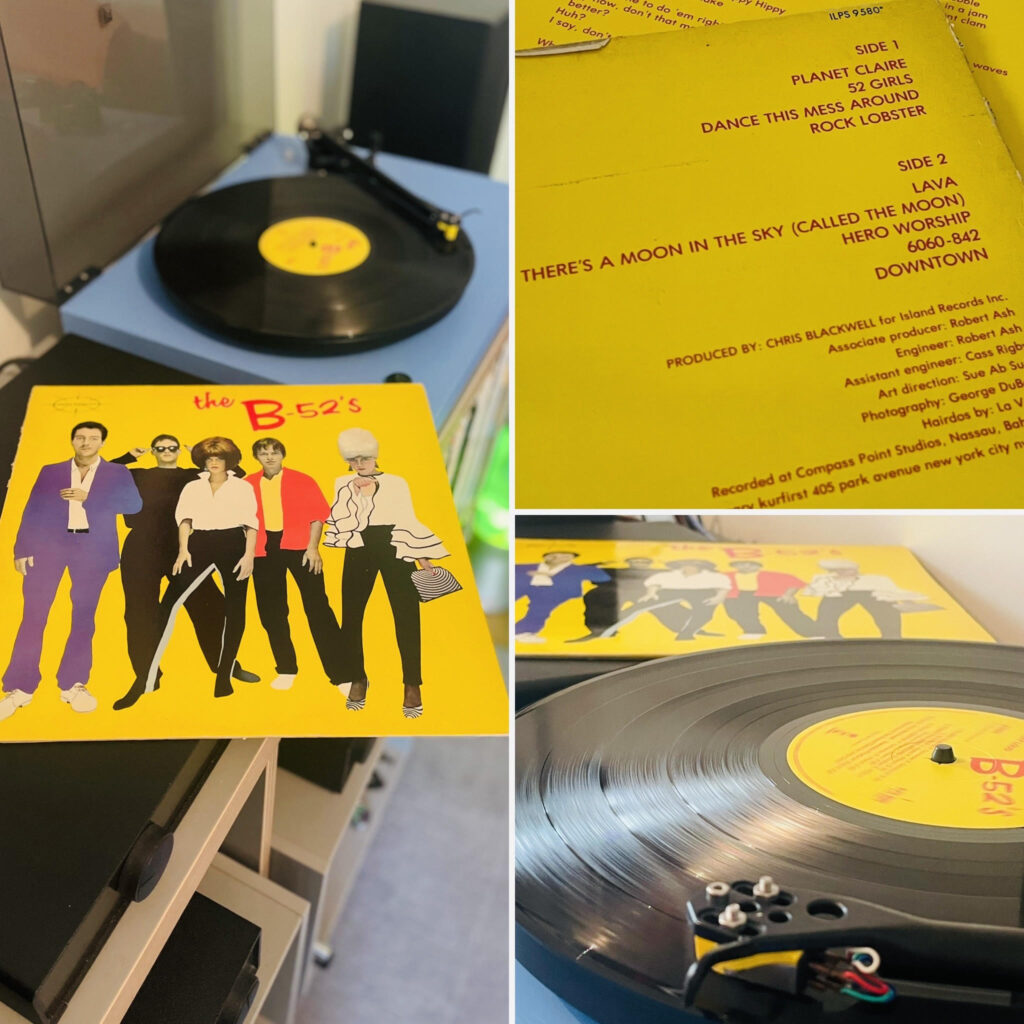
The B-52's Self Titled Debut Album From 1979 Retro Reviewed


I realised while thinking about the ‘next one’ that being a punk, new wave, indie and nowadays classic rock fan there’s not exactly much joy in my album racks. A few disco era, the Bee Gees’ Saturday Night Fever soundtrack is mostly upbeat even if the film is grittier than you’d expect.

So running my finger along the spines and out slides this bright yellow pop art cut and paste thing by Sue Ab Surd (get it?) that sounds exactly like it looks. Joyful but odd in equal measure and totally new wave – because what other genre would have them? Art Brut now included music.

Nearly half a century on, and the B-52’s debut still sounds like it was made by visitors from Planet Claire where everything’s inclusive and brilliant all the time. What we’ve learned in the intervening decades is that this wasn’t just a great teenage party record – it was the moment American rock music remembered it was allowed to smile.

Back in ‘79, punk was getting all serious and art-school, chart disco was dying on its arse, and new wave was formed sixth formers in skinny ties looking miserable. Then along came five lunatics from Athens (Georgia) – with beehive hairdos, ‘a ‘thrift store’ look before Molly Ringwald and the audacity to suggest that rock music could be simultaneously completely mental and absolutely brilliant.

The genius of it is clearer now than ever. While their contemporaries were desperately trying to be cool, the B-52’s had stumbled onto something much more powerful – they were trying to be joyful. And joy, as it turns out, is infectious.

Fred Schneider’s vocal approach was nothing short of revolutionary, though nobody realised it at the time. That Schrechgesang ‘speak-sing’ delivery that seemed bonkers in ‘79 basically invented alternative rock vocals. Indie frontman like Michael Stipe channelled a bit of Fred’s fearless weirdness. The man gave permission for rock singers to stop being frontmen and be themselves.

“Rock Lobster” once destined for the bizarre list alongside Telephone Man and Oh Superman! has revealed itself to be pure genius – a seven-minute masterclass in how to build tension, create atmosphere, “Rock lobster, down, down” and anyone that way inclined lose their mind on a dance floor. please listen to it now. It’s f***ing crazed. As the closer for side one it’s perfect, you cannot wait to hear side two. Chapeau Chris Blackwell and B-52’s.

Fun fact; Cindy Wilson’s screaming vocals, reminiscent of Yoko Ono (with the mic left on) and the album’s playful nature directly inspired John Lennon to come out of retirement to write and record Double Fantasy. That tells you everything about its power. If it was good enough to get a Beatle excited about music again, it’s worth attention. It’s hot lava!

But here’s what’s become most apparent with time, this wasn’t just novelty nonsense. The B-52’s were proper musicians creating genuinely innovative sounds. Kate Pierson and Cindy Wilson’s vocal interplay was decades ahead of its time, creating templates that alt-rock new wave bands like the Go-Go’s would follow. Ricky Wilson’s guitar, jangly alien-surf-rock, created a sound that would dominate US college rock for the next two decades.

The Athens connection looks even more significant now. That vibrant and bustling college town also produced R.E.M. and literally dozens of lesser known US indie bands. But the B-52’s got there first, proving that stateside you didn’t need to be in New York or LA to create something world-changing. All you needed was great imagination, a sense of humour, and no shame.

What’s remarkable is how modern this record still sounds. You could play “Planet Claire” today and it sounds fresh, unaffected by fashion and super upbeat. It exists outside of time, belonging to no particular era because this album created its own entire universe.

The album’s influence on fashion, art, and general cultural weirdness is immeasurable. The B-52’s made it acceptable to be fun and outrageous. Note fun. They proved that style and substance weren’t exclusive, that you could be completely over the top and still create lasting art. This is Drag Race T-40 years, no B-52’s no Scissor Sisters, maybe for a few coming out became easier and every person who’s ever teased their hair into an impossible shape owes them a drink.

Looking back, the production by Chris Blackwell is inspired. A clean, spacious mix that lets every mad element breathe – it was the perfect sonic setting for controlled chaos. While punk records were deliberately aggressive and new wave was often formulaic and sometimes saved by power pop, the B-52’s found the sweet spot where everything was clear, punchy, and completely alive. Over the next decade other US alternative bands like R.E.M applied the jangly guitar courtesy of Peter Buck and clean uncluttered mixes, Sonic Youth particularly on Daydream Nation that clarity and chaos evident here and The Go-Gos who applied similar vocal interplay, there are also similarities with Talking Heads although these are simultaneous with Brian Eno at the controls until 1981.

A then revolutionary feminist angle has only become more apparent with age. In an era when women in rock were still fighting for basic recognition, Kate and Cindy weren’t just singers – they were equal creative partners, their voices driving the songs as much as any instrument. They presented a model where gender was irrelevant; all that mattered was bringing their energy.

What’s most impressive about revisiting this album now is how it’s aged like fine wine whilst somehow getting more relevant. In our current era of manufactured authenticity and focus-grouped strategy, there’s something deeply inspiring about the B-52’s’ complete commitment to their own beautiful madness. They had a vision, admittedly involving lobsters, aliens, and enough Harmony [insert any US hair spray for local readers] to punch a hole in the ozone and they pursued it with utter conviction.

The ripple effects are still being felt. Is too much to say that without the band and this album, there’s no US college rock explosion or indie revolution, no acceptance that American rock could be colourful and strange. Kurt Cobain in those big white sunglasses. The B-52’s didn’t just make a great debut – they rewrote the rules.

Forty-six years on, “The B-52’s” debut album remains the sound of pure possibility, proof again from these retrospective reviews and research (also for my book Art Pop / Pop Art) that the best art comes from the margins, from people who care more about creating something wonderful than following the rules. It’s a record that gets better with age, revealing new layers of genius with each listen. I’ve loved playing it again.

In a world that often feels like it’s forgotten how to have fun, the B-52’s debut stands as a reminder that sometimes the most revolutionary thing you can do is refuse to take yourself too seriously. They created music that was so purely themselves that it transcended trends, genres, and decades.

Still essential. Still mental. Still absolutely bloody brilliant. 6060-842!

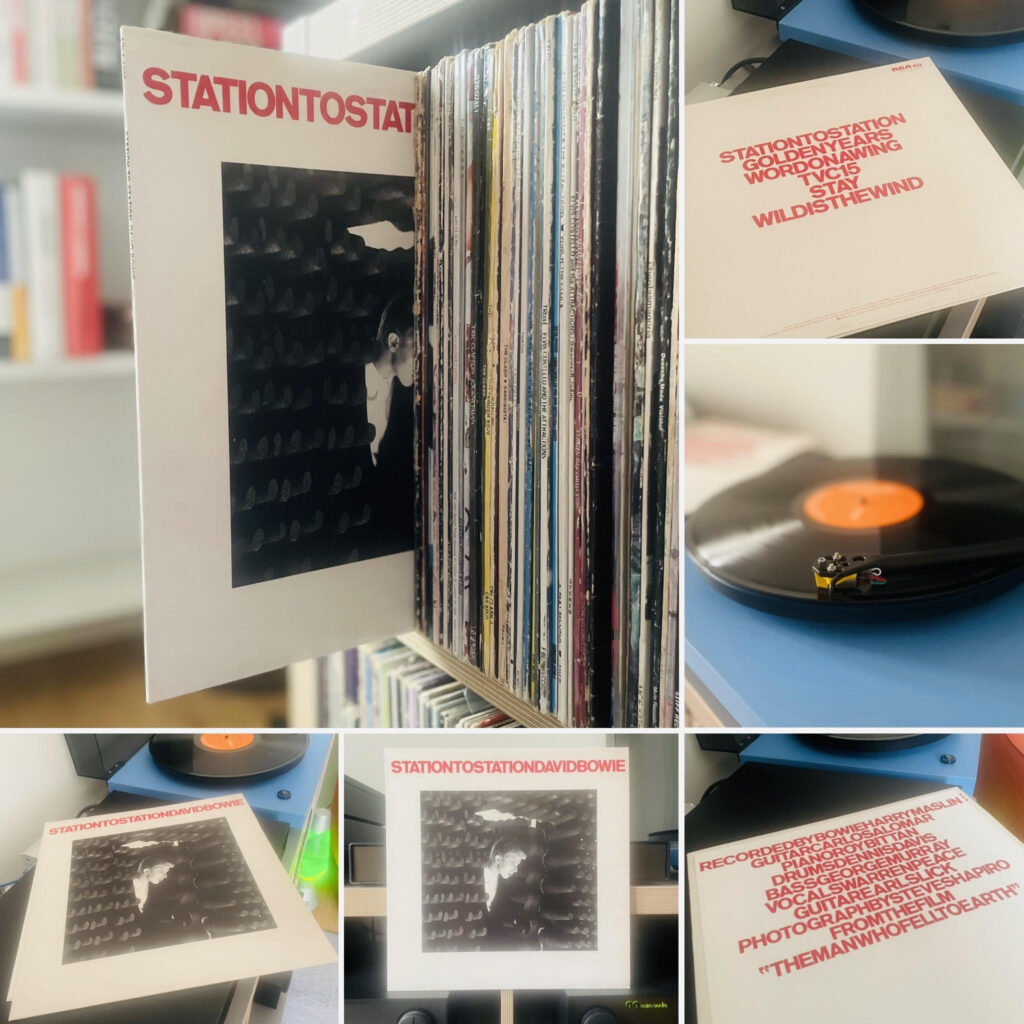
RETROSPECTIVE: Bowie’sStationTo StationWithNoDartsInLovers’Eyes

Time takes a Bowie album… and spawns the definitive retrospective.


It’s time for a Bowie Retrospective. After Young Americans, this is his trans-Atlantic mid-Seventies masterpiece signposting the genius redux on the horizon.

Nearly fifty years hence, Station To Station remains David Bowie’s most perplexing achievement, neither his most revolutionary nor his most accessible, but certainly his most necessary. Released in January 1976, it occupies that peculiar position in an artist’s canon where personal crisis, manic depression and artistic clarity converge with inspired precision. That Bowie himself claims to remember virtually nothing of its creation only deepens the mystery: how does one’s most cohesive statement emerge from complete psychological fragmentation? Or does it? It’s common knowledge people often have little or no recollection of bipolar episodes, and Seventies’ Bowie (Class A aside) is textbook manic episode creativity. But I digress.

The album functions as a fulcrum upon which Bowie’s entire career pivots, the moment when the glitter-encrusted showman shed his sequined skin and at this time alien contacts, to reveal something altogether more unsettling beneath. Six tracks, just six, yet each one a movement in what amounts to a symphony of identity crisis. This is Bowie as musical Dr. Jekyll, conducting experiments upon his own psyche with the detached fascination of a laboratory technician.

Musically, Station To Station represents Bowie’s most successful synthesis of seemingly incompatible elements. The Philadelphia soul he’d absorbed during his Young Americans period, that white British art-school graduate slumming it in the City of Brotherly Love (Brother Lee Love I only just got it during research) collides head-on with the mechanical metronomic precision of European electronic music. It shouldn’t work, this marriage of American warmth and Teutonic coldness, yet somehow it births something entirely new.

Earl Slick’s guitar work deserves particular attention. Gone are the bluesy histrionics and Sixties influences that had characterised Bowie’s previous guitar heroes; instead, Slick delivers lines that cut like scalpels, each note placed with obsessive precision. Listen to his work on “Stay”, those slashing chords that punctuate the verses aren’t mere rock posturing but architectural elements, supporting the song’s claustrophobic emotional weight. It’s guitar playing as urban planning, all sharp angles and deliberate omissions. The track itself embodies the album’s central tension: a seemingly straightforward rocker that reveals layers of unease beneath its propulsive surface. Bowie’s vocal alternates between desperate pleading and detached observation, while the band locks into a groove that feels simultaneously urgent and mechanical, the sound of someone running in place, trapped by their own momentum.

The rhythm section of Dennis Davis and George Murray provides the album’s mechanical heartbeat, a pulse that feels simultaneously human and robotic. Their work on the title track’s opening section transforms a simple 4/4 into something approaching industrial music, three years before Throbbing Gristle made such sounds esoterically fashionable. This is the rhythm of assembly lines and commuter trains, the metronomic beat of modern alienation. But “Station To Station” functions as more than mere sonic experimentation it’s a ten-minute manifesto of identity dissolution. The track’s structure mirrors its lyrical journey from European mysticism to American soul, with Bowie literally traveling from one musical station to another. The opening’s stark, almost ritualistic atmosphere gives way to the gospel-influenced finale, yet something essential remains lost in translation. The Duke emerges not as synthesis but as absence, the negative space between stations where no trains stop. Thankfully the Trilogy confirms he bought a return ticket.

Lyrically, Bowie constructs a peculiar theology that borrows from Nietzsche, Cambridge educated bisexual Aleister Crowley, the Kabbalah’s occultism, Judeo-Christianity and his infamous cocaine, milk and peppers fuelled paranoia. It’s a sort of spiritual algebra where traditional religious symbols are multiplied by pharmaceutical insight and divided by sexual desperation. If a Rock Star could be thus – gender confusion? The results don’t always make sense indeed, they’re not supposed to. This is the sound of a mind in free fall, grasping at mystical straws.

“TVC 15” transforms what might have been a simple paranoid episode into a peculiar love song addressed to a television set, the kind of domestic surrealism that would later mark Talking Heads’ best work. Yet where David Byrne would approach such material with Asperger’s detachment, Bowie invests it with genuine longing. The Duke may be emotionally vacant, but he’s not entirely dead inside.

It’s “Word On A Wing,” however, that provides the album’s most naked moment. Disguised as a love song but functioning as a prayer, it finds Bowie reaching towards something approaching grace. His vocal performance here, multi-tracked harmonies that create a choir of Bowies, each one seeking salvation in a slightly different key, represents perhaps his most vulnerable moment on record. The Duke’s marble facade cracks just enough to reveal the frightened human beneath.

The album’s visual identity proves equally calculated. That stark red-black-and-white cover avec an iconic still from Nicolas Roeg’s The Man Who Fell To Earth captures something essential about both album and era. Here is Bowie mid-stride, embodying alien detachment that defined the star mid-Seventies. The bold, minimalist typography strips away baroque excess, replacing it with corporate authority. This is alienation made manifest through graphic design, the Duke as extraterrestrial advertising executive smack bang in the peak Fifth Avenue heyday. And a lovely futuristic font style it is and stylistically redeployed here.

The synchronicity between album and film feels almost too neat, yet it works. Thomas Jerome Newton, Bowie’s gin-soaked alien entrepreneur, shares the Duke’s emotional remove and otherworldly perspective. Both exist as commentaries on American excess, observers rather than participants in the society they critique. That both emerged from the same period of pharmaceutical dissolution creates a multimedia meditation on identity and exile that feels genuinely prophetic.

Yet Station To Station is not without its limitations. The album’s brevity at barely 38 minutes is cruel to fans. Similarly, the album’s obsessive perfectionism occasionally works against it. Every element serves the whole, certainly, but sometimes one craves the messy humanity of Diamond Dogs’ unguarded moments. The Duke’s emotional detachment, while conceptually fascinating, can feel genuinely cold, a frigid barrier between artist and audience that even Bowie’s considerable charisma cannot entirely overcome. There’s a warmth in “Golden Years” that’s residual from the previous Young Americans album but different enough to spawn it’s own Bowie-generation, a stunning inclusion and single release that almost makes up for any deficiencies. We’re not going near the infamous salute and flirtation with the far right or any misunderstandings, but they exist so merit this mention.

The cover of “Wild Is The Wind” succeeds brilliantly as vocal performance but fails to entirely justify its inclusion. While Bowie’s voice stretches towards notes that seem almost beyond reach, a man grasping for salvation it remains unclear what this particular song adds to the album’s overarching narrative. It’s beautiful certainly, and would we be without it (a non-album single?) but beautiful in a way that feels slightly disconnected from the Duke’s particular path right then .

What makes Station To Station essential is not its perfection but its necessity. This is Bowie’s ‘Exile on Main St.’ an album born from extremity that transcends its circumstances. Where other artists might have been consumed by such personal turmoil, Bowie channelled it into his most disciplined statement. The cocaine psychosis that nearly destroyed him instead crystallised into diamond-hard brilliance.

The album’s influence can be traced through decades of post-punk anxiety, from Joy Division’s mechanical depression to The Prodigy’s electro-dance-punk hybrid. The Thin White Duke’s aesthetic all sharp suits and sharper cheekbone became a shorthand for alienated glamour, reimagined via the New Romantic Blitz Club Bowie Nights while the music’s marriage of warmth and coldness prefigured everything from New Order to Bloc Party.

Yet its true achievement lies in its function as an artistic Ground Zero. This is Bowie burning down his house to see what survives the flames, and discovering that what emerges from the ashes (to ashes) is something genuinely new. The Duke may be dead, but his ghost haunts everything Bowie would subsequently create, a reminder that sometimes the most profound art emerges not from comfort but from the desperate need to survive one’s own worst impulses or embedded periodic psychopathy.

Station To Station endures as proof that artistic necessity and personal crisis can produce results that transcend both. It’s neither Bowie’s most adventurous work nor his most commercially successful, but it may be his most honest and human, a document of a mind at war with itself, achieving temporary ceasefire through the discipline of writing and playing. In its now frozen perfection, it captures something essential about the terror of an artist in free fall, creating masterpieces from a wreckage of his own making.

#nowplaying Golden Years whap whap.

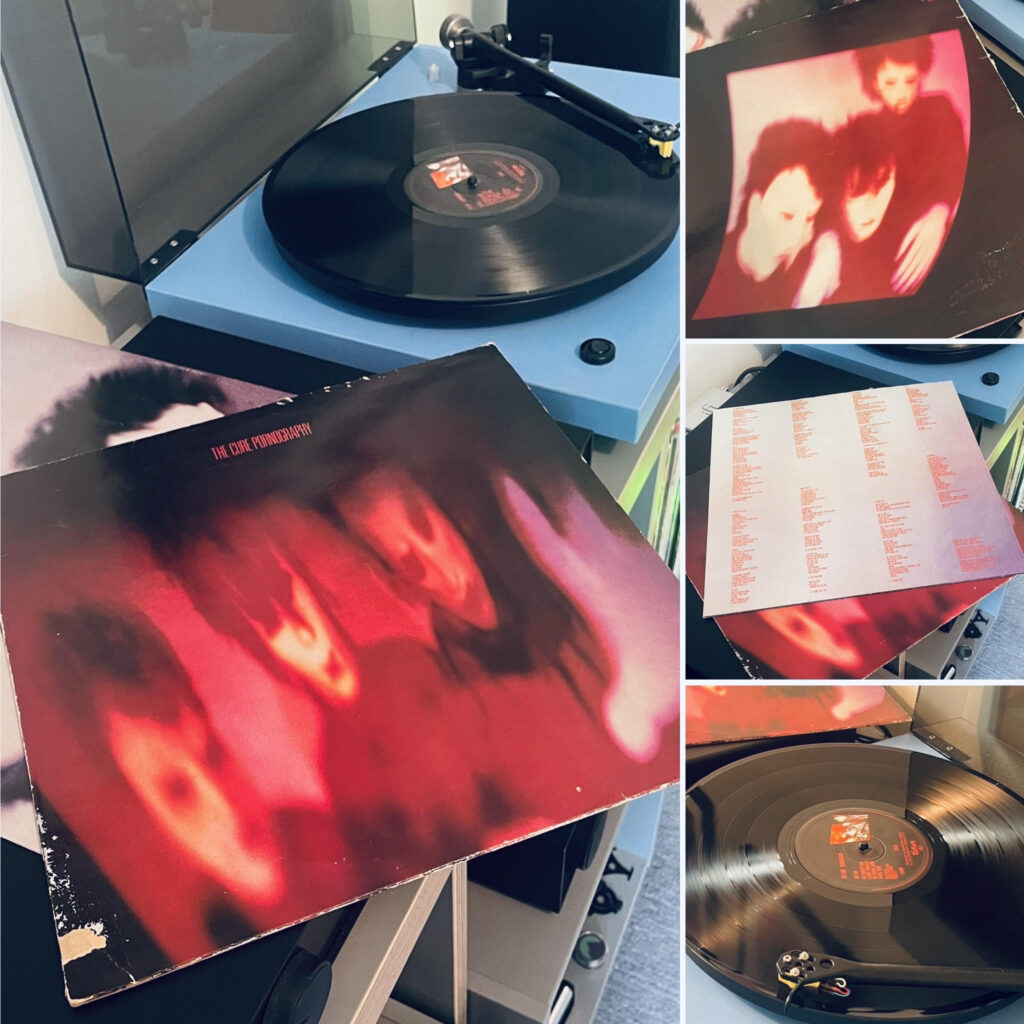
RETROSPECTIVE: The Cure Pornography. Read The Health Warning

Four decades on, Robert Smith’s darkest hour remains a towering monolith of despair

The Cure Pornography Retro Review

The year is 1982. A pre-Falklands War Thatcher’s Britain is strangling itself, unemployment queues stretch round the block, at RAK studios – the production home of Mickie Most… a mentally exhausted The Cure trio including an actually suicidal Robert Smith are busy raiding the local off-licence and dropping LSD while constructing Pornography. An album set to be a valedictory, instead the fourth of many but in retrospect the most unforgiving album in their catalogue. This is not a weeping song, it’s a weeping album of relentless despair deep in the trenches. I’m trying to think of more angst ridden vinyl before this, Leonard Cohen? he doesn’t touch the sides.

To pin down Pornography’s genre is like trying to nail jelly to the wall blindfolded. Is it goth? Well, it certainly helped birth the movement, though Smith and co. were likely too busy drowning in their own existential mire to notice they were creating a blueprint for a thousand even paler imitators. Post-punk seems closer to the mark, the album shares DNA with the abrasive experimentation of Wire and the introverted intensity of Joy Division, yet it possesses a peculiar self aware grandiosity that sometimes flirts with progressive rock’s theatrical impulses.

The opener, “One Hundred Years,” remains one of the most genuinely unsettling pieces of music committed to vinyl as confirmed by a thousand other reviews over the decades. Simon Gallup’s bass doesn’t so much play as it lurches, each note feeling like a death rattle echoing through a Victorian mausoleum. Lol Tolhurst’s drums don’t keep time, they mark the countdown to apocalypse with Swiss precision. Over it all, Smith’s open but discordant guitar work writhes and contorts like something in its final death throes, whilst his vocals deliver pronouncements of doom with the authority of a biblical prophet having a particularly bad day, ‘Stroking your hair while the patriots are shot’. Cheery.

Smith’s lyrics here read like dispatches from a post-nuclear wasteland, all “caressing an old man” and visions of flesh rotting in slow motion. “It doesn’t matter if we all die,” he intones with the casual indifference of someone reading the shipping forecast, before launching into imagery that makes JG Ballard’s crash fetishists seem positively life-affirming. The repeated invocation of “ambition” becomes less a call to achievement than a bitter mockery of human striving in the face of inevitable decay. It’s dystopian poetry delivered with the matter-of-fact brutality that only someone contemporaneously truly acquainted with despair could muster.

The album’s themes are hardly subtle. Death, execution, decay, sexual obsession, and psychological collapse aren’t just lyrical preoccupations here, they’re the very fabric from which the music is woven. The title track itself is a gruelling eight-minute descent into total madness.

What’s remarkable, and this is an album that has needed the space of time to fully appreciate – but listening back now, is how individual virtuosity serves the album’s suffocating atmosphere rather than showing off for its own sake. A polar opposite of prog. Gallup’s bass playing is masterful, his lines on “The Hanging Garden” provide both melodic anchor and rhythmic propulsion whilst never losing sight of the song’s essential bleakness. Lol Tolhurst, soon to eschew drums for keyboards, proves his worth with drumming that’s both primitive and sophisticated, knowing precisely when to pummel and when to restrain.

You’re drawn into the narrative so deeply that by the time The Hanging Garden begins the assumption is hung as in executed, then you think well, The Hanging Gardens of Babylon were decorative – but by the end you’re covering your face as the animals die. Oh well.

Pornography exists in its own ecosystem, hermetically sealed from the outside world. It’s an album that doesn’t court your affection so much as dare you to spend time in its company. The fact that it spawned a thousand goth clubs and launched a million black-clad disciples is almost beside the point, this is music that transcends subcultural boundaries through sheer force of vision.

Four decades later, as Britain – indeed the world once again finds itself wrestling with its demons, Pornography sounds less like a relic of its time and more like a prophetic statement. It remains The Cure’s most uncompromising work, a 43-minute journey into the abyss that somehow manages to be simultaneously utterly miserable and strangely life-affirming. A album that could leave you with a thousand yard stare. Give me your eyes that I might see, a blind man kissing my hand.

Essential listening, but if you’ve just begun a course of anti-depressants read the side effects first. 

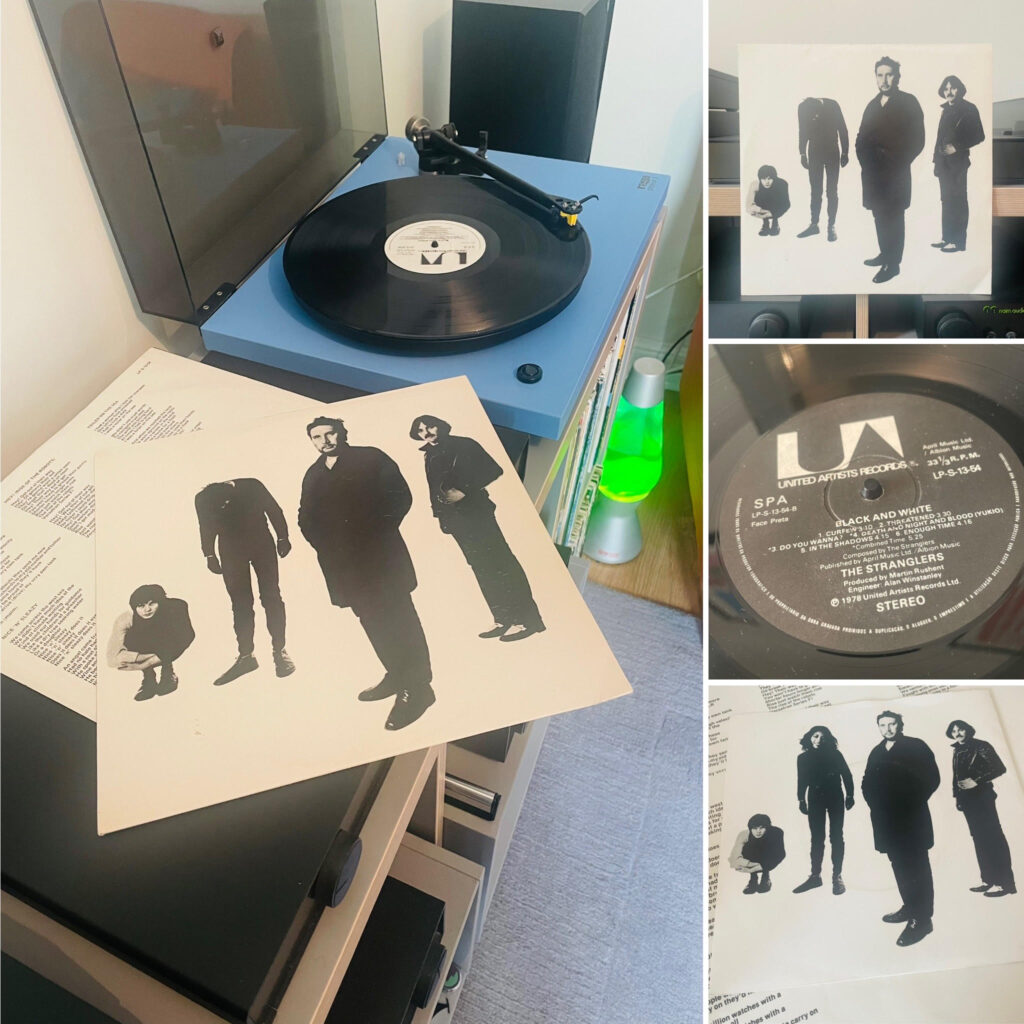
RETROSPECTIVE: The Discomforting Virtuosity Of The Stranglers Prescient Masterpiece

The Stranglers’ genre-defying third album Black and White.

The album’s greatest achievement, visible only in retrospect, is how it managed to bridge multiple worlds simultaneously. It’s European art-rock disguised as British punk, progressive complexity wrapped in new wave accessibility, academic sophistication delivered with street-level aggression. This wasn’t difficult third album confusion, it was cultural synthesis of the highest order.

The Stranglers Black and White - Their post-punk defining third album.


The Stranglers in their original line-up have always been an awkward bunch to pin down. Too clever by half for the three-chord merchants, too hard for the art school crowd, and now, nearly five decades later, it’s clear that with Black and White, they were mapping out musical territory that the rest of us are still catching up to. This third LP finds Hugh Cornwell and his merry band of misanthropes wandering off into uncharted territory.

Make no mistake about it, this was never your standard punk fare, and time has only made that more obvious. The album’s position in their canon is rather like that of The Beatles’ Sgt. Pepper or Bowie’s Low – it’s when the band stopped being what people expected and took a hard fork and became something else entirely. Where Rattus Norvegicus and No More Heroes could still be filed under “angry young men with guitars,” Black and White reveals The Stranglers as something far more prescient: a band of genuine musical ability who understood that punk’s three-chord limitations were a creative dead end. Dave Greenfield’s keyboards, which seemed so alien to punk orthodoxy in 1978, now sound like a direct line to everything from Joy Division’s atmospheric menace to Depeche Mode’s electronic romanticism.

The album’s opener sets a tone that, viewed from today’s perspective, feels remarkably contemporary. There’s a European sensibility at work here that becomes more significant when you consider Cornwell’s academic background, his time pursuing doctoral studies in Sweden had clearly broadened his musical horizons beyond the parochial concerns of British punk. This is music that breathes Continental air, influenced as much by krautrock and European art movements as by the Ramones or The Sex Pistols. It’s telling that while their punk contemporaries were busy becoming parodies of themselves, The Stranglers were quietly absorbing influences from across the North Sea. “Let me tell you about Sweden!”

The musical sophistication that seemed so controversial at the time now appears as the album’s greatest strength. Jean-Jacques Burnel’s bass doesn’t just anchor these songs; it prowls through them with a melodic complexity that prefigures the art-rock basslines of bands like Radiohead. His French background, combined with Cornwell’s Scandinavian academic experience, created a cultural perspective that was uniquely European within the context of British punk, something that seemed like pretension in 1978 but reads as genuine cosmopolitanism today.

Which brings us to the question of genre, now settled by history’s verdict. This wasn’t punk, it was post-punk before the term existed, nascent yet to be defined new wave, and death and night and blood darkwave a full decade before any Goths claimed it. The progressive rock DNA in instrumental passages and influences that so scandalised the Peaches punk faithful in 1978 now seem like natural evolution rather than betrayal. There’s art-rock sensibilities that align them more to Bryan Ferry’s Roxy Music than Brian James’ era The Damned. When viewed alongside the career trajectories of contemporaries who stayed “pure,” The Stranglers’ willingness to embrace musical sophistication looks like wisdom rather than sell-out.

The pre-Stranglers ice-cream selling Jet Black’s drumming is phenomenal and displays the kind of precision that made contemporaries envious and now sounds like a masterclass in restraint and power. His technical ability, which punk doctrine suggested was somehow inauthentic, has aged far better than the amateur enthusiasm of many of his contemporaries. This was always about more than attitude, it was about creating something genuinely new from the wreckage of rock orthodoxy.

The production, courtesy of Martin Rushent, has aged remarkably well. That claustrophobic intensity, the sense of menace lurking in the spaces between notes, a kind of negative space threat, points directly towards the atmospheric post-punk that would dominate the early eighties. Rushent understood what The Stranglers were reaching for, a sound that was simultaneously ancient and futuristic, rooted in European classical traditions but pointing towards electronic possibilities.

The European influences run deeper than mere musical technique. Cornwell’s academic sojourn in Sweden exposed him to Nordic social democratic thinking, Scandinavian cultural pessimism, and a Continental intellectual tradition that was light-years removed from punk’s British working-class romanticism. You can hear it in the album’s lyrical sophistication, its philosophical undertones, its refusal to offer simple answers to complex questions. This wasn’t just rebellion, it was critique, informed by a broader cultural perspective than most British bands or songwriters could muster.

Lyrically, the album now reads as remarkably prescient social commentary rather than simple provocation. The themes of dystopian late stage capitalism, existential threat, social breakdown and cultural exhaustion that seemed left field shocking in 1978 now feel like accurate prophecy. The Stranglers weren’t just chronicling the decline of British society, they were anticipating the cultural fragmentation and the rise and fall of the Internet and social media that would define the following decades.

The album’s greatest achievement, visible only in retrospect, is how it managed to bridge multiple worlds simultaneously. It’s European art-rock disguised as British punk, progressive complexity wrapped in new wave accessibility, academic sophistication delivered with street-level aggression. This wasn’t difficult third album confusion, it was cultural synthesis of the highest order.

Looking back across the landscape of late-seventies music, Black and White now appears as one of the most innovative albums of its era. While The Clash were already retreating into reggae and rockabilly nostalgia and The Sex Pistols had combusted spectacularly, The Stranglers were quietly creating a template for alternative music that would influence generations of musicians. From the atmospheric post-punk of Joy Division to the electronic experimentation of Kraftwerk’s British disciples, the DNA of Black and White can be traced through decades of innovative music.

In the end, history has vindicated The Stranglers’ refusal to stay within punk’s narrow confines. What seemed like betrayal in 1978 now looks like vision, a recognition that musical progress required synthesis rather than purity, sophistication rather than simplicity, European cosmopolitanism rather than parochial nationalism. Hugh Cornwell’s Swedish academic experience, Jean-Jacques Burnel’s French cultural background, and the band’s collective refusal to be constrained by British musical traditions created something genuinely unique in the landscape of late-seventies music.

Black and White remains uncomfortable listening, but for different reasons now. In an era of algorithmic predictability and focus-grouped lo-fi rebellion, there’s something genuinely subversive about music that refuses easy categorisation. The Stranglers were always outsiders, even within punk’s supposedly inclusive chaos. With Black and White, they staked out territory so far from any mainstream that it took many decades to recognise its importance. Uncomfortable listening for uncomfortable times, which is exactly as it should be, and exactly why it matters more today than ever. What’s that in the shadows?

#NowPlaying – The Stranglers – Toiler On The Sea

RETROSPECTIVE: Lennon’s Lost Weekend

John Lennon's Lost Weekend. At home in Beverly Hills.


Eighteen Months of Madness in the Heart of Hollywood. The ex-Beatle’s wildest period yet – sex, booze, and Rock’n’Roll excess that nearly destroyed a legend.

Right, so you think you know John Lennon? The peaceful Beatle, the ‘Bed-In’ revolutionary, the bloke who gave us “Imagine”? Well, think again, because between October 1973 and early 1975, our John went completely barmy in Los Angeles – and we do mean completely. They’re calling it his “Lost Weekend,” though at eighteen months, it’s more like a lost year and a half.

It all started when Yoko threw him out of their Dakota apartment. Yes, you heard right – she actually booted him out, told him to go find himself or some such psychological bollocks. “Go away and have your midlife crisis somewhere else,” was apparently the gist of it. So off trots Lennon to La-La Land with May Pang, Yoko’s 23-year-old assistant, who’d been hand-picked by Mrs Lennon herself to keep an eye on her wayward husband.

What followed was a period of such spectacular debauchery that even Keith Moon would’ve raised an eyebrow. Lennon, aged 33 and supposedly a reformed character, promptly went completely off the rails in the most American way possible.

First stop was a beach house in Santa Monica that quickly became legendary for all the wrong reasons. Lennon surrounded himself with a motley crew of musicians, hangers-on, and fellow piss heads who turned the place into something resembling a Rock’n’Roll commune crossed with a rehabilitation centre – except nobody was trying to get clean.

The core gang included Harry Nilsson (already well on his way to drinking himself to death), Ringo Starr (taking a break from his own marriage difficulties), Keith Moon (just because), and a rotating cast of session musicians, groupies, and general wastrels. They called themselves “The Hollywood Vampires” – which tells you everything you need to know about their priorities.

Days would start around noon with cocaine and brandy, move on to more serious drinking by mid-afternoon, and end with everyone unconscious in various compromising positions around dawn. Lennon, who’d supposedly given up the hard stuff years earlier, was necking everything he could get his hands on – whisky, vodka, tequila, you name it. The man who once sang about peace and love was now starting fights in nightclubs and getting thrown out of venues across Los Angeles.

The nadir came in March 1974 at the Troubadour club, where Lennon and Nilsson had gone to catch an Ann Peebles show. Both absolutely legless, they proceeded to heckle the poor woman throughout her set. When staff tried to quiet them down, Lennon apparently shouted something unrepeatable about the management’s parentage and stormed off to the toilets.

But here’s where it gets properly weird – instead of using the gents, our revolutionary hero decided to relieve himself in a cupboard, emerging with a sanitary towel stuck to his forehead like some demented tribal marking. The press had a field day, of course. “BEATLE JOHN’S TOILET SCANDAL” screamed the headlines, and suddenly the man who’d once been the most respected musician in the world was reduced to a laughing stock.

The incident became symbolic of everything wrong with Lennon’s LA period. Here was a bloke who’d written some of the most important songs of the decade, reduced to pissing in cupboards and wearing feminine hygiene products as headgear. It was pathetic, really.

Amazingly, amidst all this chaos, Lennon was still trying to make music. The problem was, he was too pissed most of the time to do it properly. Recording sessions for what would become “Walls and Bridges” were exercises in frustration, with Lennon turning up hours late, completely bladdered, and unable to remember lyrics he’d written the day before.

Producer Jack Douglas later described the sessions as “like trying to record with a very talented ghost who kept disappearing.” Lennon would start a take, wander off mid-song, and return hours later having forgotten what they were working on. It’s a miracle the album turned out as well as it did.

The saving grace was May Pang, who somehow managed to keep some semblance of order in the chaos. Twenty years younger than Lennon and completely out of her depth, she nevertheless became his anchor during this period. She’d drag him out of bars, clean him up for recording sessions, and generally prevent him from killing himself through sheer stupidity.

If you want to know how mental things got, consider this: Lennon thought it would be a brilliant idea to record an album of Rock’n’Roll covers with Phil Spector producing. Yes, that Phil Spector – the gun-toting maniac who was already showing signs of the complete breakdown that would later land him in prison for murder.

The sessions, held at various LA studios throughout 1974, were legendary for their dysfunction. Spector would turn up armed (literally), paranoid, and completely controlling. Lennon, meanwhile, was usually drunk and belligerent. The two would spend hours arguing about arrangements while session musicians sat around collecting overtime pay.

One session ended with Spector firing a gun in the studio and then disappearing with the master tapes, leaving Lennon with nothing to show for weeks of work. It was like something out of a Martin Scorsese film, except it was real life and nobody was laughing.

The thing is, beneath all the chaos and self-destruction, you could sense Lennon was actually quite miserable. This wasn’t the joyful excess of a rock star living it up – this was the desperate flailing of a man who’d lost his way completely.

Friends from the period describe him as paranoid, lonely, and increasingly aware that he was making a complete tit of himself. The press coverage was universally awful, his music was suffering, and worst of all, he was alienating himself from the son he claimed to love more than anything.

Julian was still back in England with Cynthia, and Lennon’s contact with the boy was sporadic at best. When he did ring, he was often too drunk to hold a proper conversation. It’s heartbreaking, really – here was a man who’d sung about love and peace, completely unable to maintain relationships with the people who mattered most to him.

The long and winding road back… By late 1974, even Lennon’s legendary constitution was showing signs of wear. He’d put on weight, looked terrible in photos, and was developing a reputation as one of Hollywood’s most unreliable talents. Studio executives were starting to avoid him, club owners were banning him, and his behaviour was becoming genuinely concerning to those around him.

The wake-up call came when he collapsed during a recording session, apparently from exhaustion and alcohol poisoning. Rushed to hospital, he spent several days recovering while doctors told him in no uncertain terms that his lifestyle was unsustainable.

It was then that May Pang apparently sat him down for a serious conversation about his future. According to those close to the situation, she basically told him he could continue on his current path and probably die, or he could sort himself out and try to salvage something from the wreckage of his life.

The irony is that throughout this entire period, Lennon was in regular contact with Yoko back in New York. She’d ring him every few days, ostensibly to check on his wellbeing but apparently also to monitor his behaviour. Some cynics suggest the whole “Lost Weekend” was orchestrated by Yoko from the beginning – a way of letting Lennon get all his middle-aged rebellion out of his system while keeping him on a very long leash.

Whether that’s true or not, by early 1975 it was clear that Lennon was ready to return to New York and his wife. The LA experiment had run its course, leaving behind a trail of damaged relationships, wasted opportunities, and some genuinely questionable musical decisions.

But here’s the thing – as much as the Lost Weekend period was a disaster in human terms, it also produced some of Lennon’s most honest and vulnerable music. “Walls and Bridges” contains some genuinely affecting songs about loneliness and regret, while the eventually completed “Rock’n’Roll” album, despite its troubled genesis, showed Lennon reconnecting with his musical roots in ways that would influence his later work.

So what do we make of John Lennon’s Lost Weekend? Was it a necessary period of self-exploration, or just eighteen months of expensive self-indulgence? The truth, as usual, probably lies somewhere in between.

On one hand, it’s hard to have much sympathy for a millionaire rock star whose idea of finding himself involves drinking himself senseless in beach houses while his assistant-turned-girlfriend cleans up after him. The whole thing reeks of middle-class privilege and self-pity taken to absurd extremes.

On the other hand, there’s something genuinely tragic about watching one of the most important artists of his generation lose himself so completely. Lennon’s music had always been about honesty and emotional truth, and in some perverse way, his LA breakdown was probably the most honest thing he’d done in years.

The period also demonstrated something important about the nature of creativity and self-destruction in rock music. While the myth of the tortured artist is largely bollocks, there’s no denying that some of our greatest musicians have produced their most powerful work while falling apart personally. Lennon’s Lost Weekend wasn’t pleasant to witness, but it was undeniably real in a way that his more controlled periods sometimes weren’t.

Perhaps most importantly, it showed that even John Lennon – the man who’d helped change popular music forever – was still fundamentally human, still capable of making spectacular mistakes and learning from them. The fact that he eventually sorted himself out, returned to New York, and spent his final years as a devoted father and husband suggests that the Lost Weekend, for all its chaos, might have been a necessary part of his journey.

Whether it was worth eighteen months of madness is another question entirely. But then again, that’s Rock’n’Roll for you – never simple, never clean, and never quite what you expect from the outside.

Whatever gets you thru the night eh?

*The author wishes to acknowledge that this piece is based on publicly available information and interviews from the period, and that some details remain disputed by those involved.

#nowplaying John Lennon – Walls and Bridges (1974)

RETROSPECTIVE: Crowded House – Together Alone


Sonic Youth.

Thirty-two years on, and Together Alone still sounds like nothing else in the Crowded House catalogue. What seemed like a bewildering left turn in 1993 now reveals itself as the band’s most prescient work, a record that anticipated the alt-rock soul-searching of the late nineties whilst remaining utterly, defiantly itself. Neil Finn’s mob wandered off into the spiritual wilderness armed with nothing but a fistful of melodies and Martin Glover’s sonic wizardry, and what they dragged back from the void was this peculiar, haunting beast that sounds like it was recorded in some ancient Maori temple with the ghosts of a thousand ancestors whispering sweet harmonies into the mixing desk.

History has been kind to Together Alone. What critics initially dismissed as commercial suicide now reads as artistic bravery of the highest order. The title, which once seemed like undergraduate philosophising, now carries genuine weight, this is music for our atomised age, for contemplating connection and disconnection whilst doom scrolling at 3am, wondering where it all went wrong and why the notifications never stop.

The genius of Youth’s production has aged magnificently. The man who gave us Killing Joke’s industrial nightmares somehow coaxed sounds out of Finn and company that still shimmer and breathe like living things decades later. Gone were the pristine pop perfections of their earlier work, replaced by something altogether more organic and mysterious. Listen now and you can hear the DNA of everything from Radiohead’s OK Computer to Bon Iver’s falsetto folk, Youth was crafting the sound of millennial melancholy years before anyone knew what to call it. The drums sound like they’re echoing through cathedral spaces, the guitars drift in and out of focus like half-remembered dreams, and Finn’s voice floats above it all with an otherworldly detachment that’s genuinely unsettling.

The opening salvo sets the tone perfectly a rolling, hypnotic rhythm that builds into something approaching transcendence before dissolving into the ether. It’s pop music, Jim, but not as we know it. This is Crowded House wrestling with their demons in public, and Youth has given them the sonic palette to paint their neuroses in glorious Technicolor.

Finn’s songwriting has taken a decidedly introspective turn. Where once he dealt in universal truths wrapped in sugar-sweet melodies, here he’s digging deeper into the psyche, exploring themes of isolation, connection, and the peculiar melancholy that comes with success. The man sounds genuinely troubled, and it suits him.

The production shines brightest on the album’s more experimental moments. Youth has layered in all manner of mysterious sounds, backwards vocals, found sounds, studio trickery that would make Kevin Shields weep with envy. Yet it never feels gimmicky or overwrought. Every sonic flourish serves the songs, adding depth and texture without overwhelming Finn’s essentially human songwriting.

That said, Together Alone isn’t without its problems. At times, the band seem so determined to avoid their pop past that they forget what made them special in the first place. A few tracks meander when they should soar, and the overall mood is so consistently downbeat that you occasionally long for the simple joy of their earlier work. ‘Why are you listening to that depressing music?’ it is not, but it can be downbeat.

But these are minor quibbles with what history has revealed to be an essential record. Crowded House risked everything to make something genuinely personal and challenging, and Youth gave them the sonic framework to create what now stands as their most influential work. It wasn’t their biggest seller, but it was their boldest statement the record that proved they were artists first, hit-makers second.

In our current age of manufactured vulnerability and algorithmic angst, Together Alone stands as proof that real emotional complexity can’t be coded or commodified. It’s a grower, this one and the kind of record that reveals new secrets with each listen, the kind that soundtracks both Instagram stories and genuine moments of crisis in equal measure.

Three decades later, Martin Glover’s achievement becomes even clearer. He took New Zealand’s finest export and helped them create their masterpiece, a record that sounds more relevant now than it did then. The kids discovering it on Spotify don’t know they’re listening to the future of indie rock, circa 1993. Seems like Youth may not be wasted on the young after all.