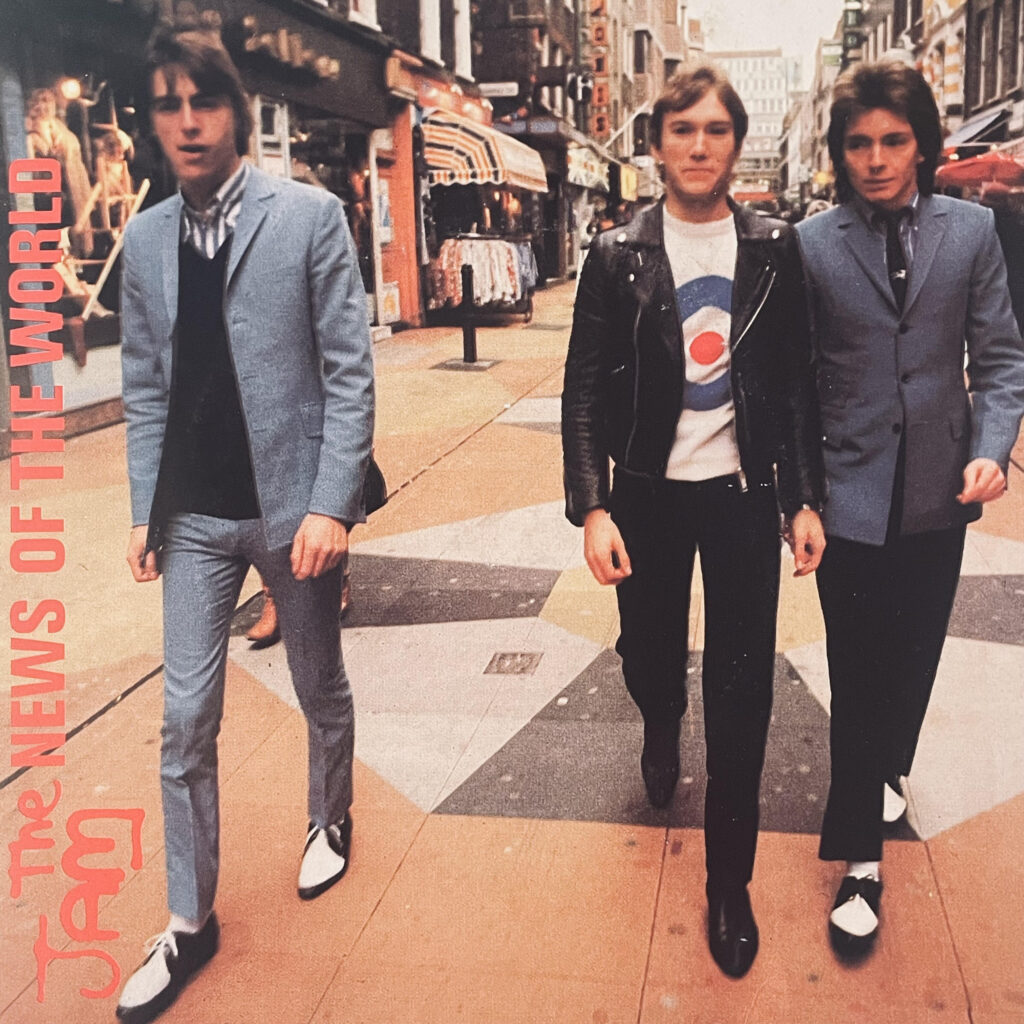
TESTIMONIAL: Rick Buckler, The Jam.

Is there a better three album run than The Jam’s All Mod Cons, Setting Sons & Sound Affects? Then there’s the singles. A canon of seven inch vinyl to match The Beatles & The ‘Stones. In fact no band released a better collection of B-Sides before or since. The Butterfly Collector is regarded by many as the greatest of all time. Pow

For a few years ‘The best f***ing band in the world’ John Weller’s infamous live introduction, were indeed that. Bang

Honed by constant live gigging at the hottest venues in ‘town, The Jam emerged as ‘straight-tied-Jam-shoed’ Punk Mod Power Pop style icons in 1977 on the crest of the Punk & New Wave Revolution. Danny Baker said it best, there would be no better fledgling Punk & New Wave era film than through the eyes of The Jam. A sonic A-Bomb In Wardour Street their looks, politics and energy made them Immediate darlings of the NME with an easy transition to cathode ray tube and a virtual 1978-82 BBC Top Of The Pops residency. The tightest of three pieces, where there is nowhere to hide.. Wham

Near the end they headlined the first episode of The Tube playing “Ghosts”, “In The Crowd”, “A Town Called Malice”, “This Is The Modern World”, “Move On Up”, “The Great Depression”, “Beat Surrender”, “Precious” a diverse and virtuoso 8 Track performance. Direction

Weller’s rug pull in 1982 meant a beat generation kept a candle alight for a reunion. But we all know the redux is never quite as good as the original. So those memories were never corrupted. Reaction

On the passing of the band’s drummer Rick Buckler, a brief testimonial of one of the most vital bands who have accompanied my life and millions of others having emerged for any child of the Sixties at such an influential teen-age. Creation

Brighton Rocked. RIP Rick.

The Jam 1978

CURRENT AFFAIRS: USA Rogue State?

What If The United States Became a Rogue State? Should Great Britain Be Worried?

Let me be clear: I’m not engaging in hyperbole when I pose this question. As we witness the unfolding transformation of American governance under the restored Trump presidency, the international community faces an unprecedented dilemma. The special relationship between Britain and America – long the cornerstone of global democratic stability – now presents us with profound challenges.

The Project 2025 blueprint, meticulously prepared during Trump’s hiatus from power, reads less like a traditional transition plan and more like a manifesto for institutional demolition. Its architects have made no secret of their intentions: the systematic dismantling of what they term the “deep state” – in reality, the very bureaucratic safeguards that have long prevented executive overreach.

Consider the appointments. The installation of loyalists across federal agencies isn’t merely standard political patronage; it represents a fundamental restructuring of American governance. Career civil servants, those repositories of institutional knowledge and regulatory expertise, are being replaced by individuals whose primary qualification appears to be unwavering personal fealty to the president.

The consequences for Britain’s defence and security infrastructure are particularly alarming. Our military doctrine, built upon decades of joint operations and shared intelligence, suddenly stands on unstable ground. The Five Eyes intelligence-sharing agreement – arguably the most sophisticated multilateral intelligence arrangement in history – faces unprecedented strain. American intelligence agencies, now under explicitly political leadership, have already begun restricting certain intelligence flows, citing “national security reorganisation priorities.”

Consider the implications for our armed forces. Joint military exercises, long the backbone of NATO interoperability, are being cancelled or dramatically scaled back. British commanders report increasing difficulty in coordinating with their American counterparts, many of whom have been replaced by political appointees with limited military experience. The integrated defence systems that protect our shores – many reliant on American technology and real-time data sharing – face potential compromises in their effectiveness.

The economic ramifications are equally concerning. The City of London, which has thrived on its role as a crucial hub for dollar-denominated transactions, faces new uncertainties. American financial regulators, now operating under a “America First” directive, have begun implementing measures that effectively discriminate against foreign financial institutions, including British ones. The pound sterling’s traditional correlation with the dollar has become a liability rather than a stability mechanism.

Our defence industry, deeply integrated with American suppliers and technologies, faces severe disruption. Critical components for everything from our nuclear deterrent to our cyber-defence systems rely on American cooperation. The new administration’s “domestic preference” policies threaten to sever supply chains that have taken decades to build. British defence manufacturers, who have invested heavily in joint projects with American partners, now face the prospect of being frozen out of key markets.

The foreign policy pivot is particularly alarming. The new administration’s embrace of what they call “pragmatic nationalism” has effectively translated into the abandonment of longstanding alliances. NATO, already weakened during Trump’s first term, now faces existential questions about its relevance. The president’s recent remarks about “letting Putin sort out Europe” sent shockwaves through diplomatic circles, yet they barely raised eyebrows in Washington’s new political reality.

For Britain, this presents an excruciating dilemma. Our diplomatic corps, accustomed to navigating the special relationship’s occasional turbulence, now faces a fundamental question: How does one maintain a strategic partnership with a nation that increasingly rejects the very international order it helped create?

The impact on our cyber security is particularly worrying. The integrated nature of British-American cyber defence means that any degradation in cooperation immediately increases our vulnerability to state-sponsored attacks. The National Cyber Security Centre, which has relied heavily on real-time threat intelligence from American partners, reports a significant decrease in the quality and quantity of shared information.

The parallels with historical shifts in global power dynamics are unsettling. Like the decline of previous empires, America’s transition from global stabiliser to potential disruptor isn’t happening through military defeat or economic collapse, but through internal transformation. The machinery of state remains intact; it’s the operating system that’s being rewritten.

Critics might dismiss these concerns as catastrophising from the liberal establishment. But consider the concrete actions: the withdrawal from key international treaties, the deliberate undermining of multilateral institutions, the embrace of authoritarian leaders while democratic allies are publicly berated. These aren’t theoretical risks – they’re happening in real time.

The implications for Britain’s defence posture are stark. Our nuclear deterrent, while operationally independent, relies heavily on American technology and support. The new administration’s ambiguous stance on nuclear cooperation agreements has raised serious questions about long-term sustainability. The Royal Navy’s carrier strike groups, designed to operate in concert with American forces, may need to be reconceptualised for a world where such cooperation cannot be guaranteed.

Some in Whitehall advocate a “wait and see” approach, suggesting that institutional inertia will temper the administration’s more radical impulses. This misreads both the scope of the Project 2025 agenda and the determination of its implementers. The systematic placement of ideological allies throughout the federal bureaucracy creates a multiplication effect that could outlast the administration itself.

What’s required is a clear-eyed reassessment of Britain’s strategic position. This doesn’t mean abandoning the special relationship, but rather reconceptualising it for an era where American partnership comes with new risks and complications. Strengthening European security cooperation, diversifying intelligence partnerships, and building resilience against potential economic coercion should be immediate priorities.

The question isn’t whether America will remain powerful – it will. The question is how that power will be wielded, and whether the international community can adapt to an America that increasingly views global relationships through a transactional, zero-sum lens.

For Britain, this may mean making difficult choices. Our diplomatic tradition of constructive ambiguity – maintaining close ties with both Europe and America – may no longer be sustainable if those relationships pull us in fundamentally different directions.

The coming months will be crucial. As Project 2025’s implementations accelerate and the new administration’s foreign policy takes concrete form, Britain’s response will shape not just bilateral relations but our place in the emerging global order. The special relationship isn’t dead, but it’s entering uncharted territory. We must navigate with our eyes wide open to both the risks and the opportunities this presents.

This isn’t about abandoning our American allies – it’s about protecting our own interests in an era where those allies may be operating under a radically different set of priorities. The question in my headline isn’t merely provocative; it’s one that British policymakers must seriously consider as they plan for an increasingly uncertain future.

POP ART: New Order Blue Monday FAC72-600!

Another from my series of iconic Seventies & Eighties Punk Rock and New Wave record sleeves reimagined as standout Pop Art to show in an installation or hang in your space.

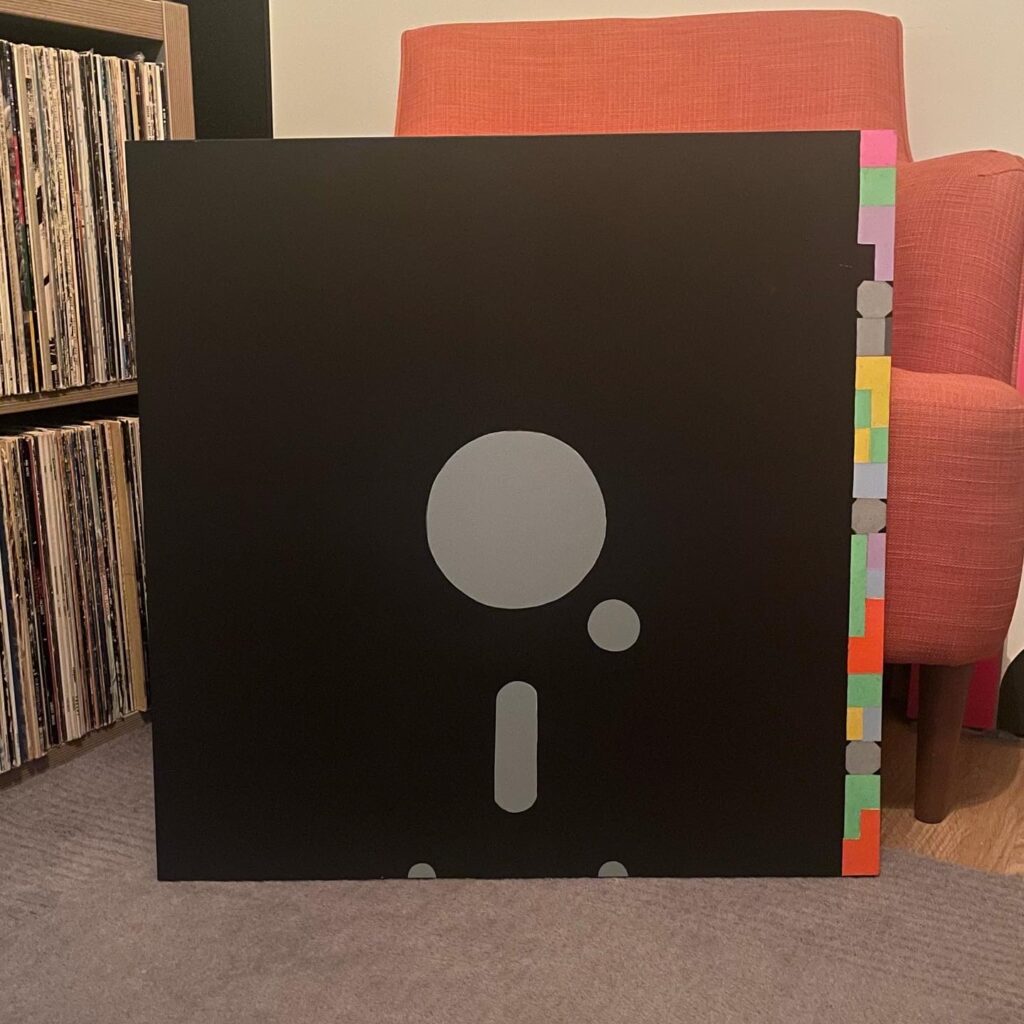
New Order – Blue Monday FAC72 12″ Vinyl Single (1983)

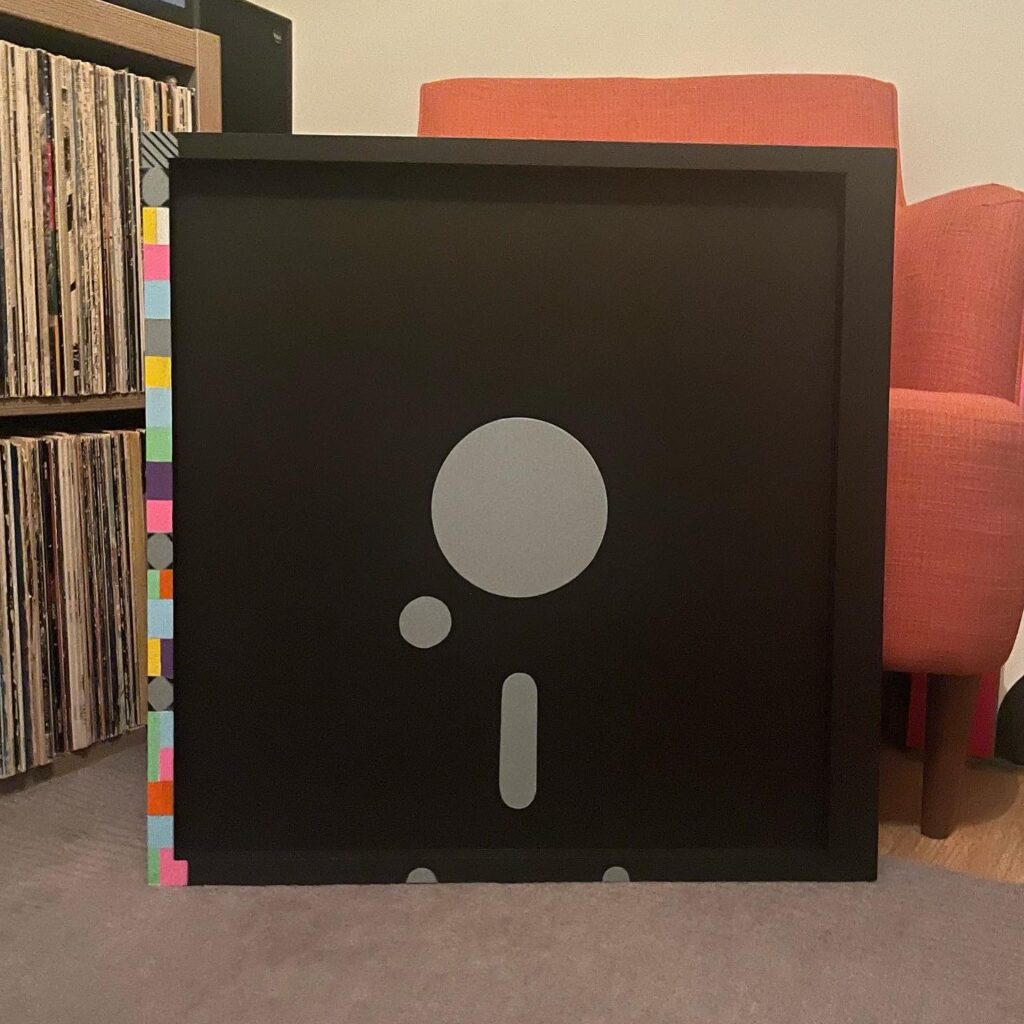
600mm acrylic painting on MDF with pine former.

New Order Blue Monday Factory Records FAC72-600 Pop Art


New Order’s Blue Monday: A New Pop Art Revolution

Dive into the iconic world of New Order’s groundbreaking single through a stunning 600mm pop art interpretation that celebrates the legendary Blue Monday sleeve design.

This revolutionary artwork captures the essence of Peter Saville’s innovative design – a hand painted visual homage to the most famous 12″ single in music history. The piece reimagines the original floppy disk-inspired sleeve, breaking down its intricate colour-coded messaging into a bold pop art statement.

Artistic Highlights:

  • Inspired by the original 1983 Factory Records release
  • Painted on large 600mm MDF with a substantial pine former
  • Stand alone as an installation or part of a Pop Art display
  • Hang in your space, its a stand-out art piece
  • Faithfully recreated design which is different on each side
  • Explores the unique color-coding system that made the original sleeve legendary
  • Transforms the innovative technical design into a vibrant artistic statement
  • Celebrates the intersection of music, technology, graphic design and now ART!

The artwork pays tribute to Saville’s groundbreaking concept – a sleeve that was more than just packaging, but a coded message decipherable through a complex colour wheel. Each colour block tells a story, reflecting the innovative spirit of New Order’s most iconic track.

New Order Blue Monday FAC72-600B Pop Art


A unique piece that bridges music history and contemporary art, this large-scale painting captures the revolutionary spirit of Blue Monday – a track that redefined electronic music and graphic design in one extraordinary moment.

POP ART: The Jam – The Modern World

Another from my series of iconic Seventies & Eighties Punk Rock and New Wave record sleeves reimagined as standout Pop Art to show in an installation or hang in your space.

The Jam – The Modern World (1977)

600mm acrylic painting on MDF with pine former.

The Jam This Is The Modern World Pop Art

Despite reaching just number 36 on the UK Singles Chart, “The Modern World” is a cult classic that exemplifies The Jam’s ability to blend punk energy with mod sensibilities.

The Jam’s 1977 single “The Modern World” is a raw and energetic Paul Weller Modernist anthem that captures the spirit of new wave and the burgeoning punk scene. Released as the lead single from their second album of the same name, the track showcases Weller’s sharp songwriting and the band’s tight musicianship. The song’s defiant lyrics, including the memorable line “I don’t give two f***s about your review” (later sanitised for radio), perfectly encapsulate the rebellious attitude of youth culture in late 1970s Britain. As kids we turned our school ties back to front and wore their signature Mod ‘Jam Shoes’.

The single’s picture sleeve is a prime example of punk-inspired Pop Art design. Drawing inspiration from the Pop Art movement of the 1950s and 1960s, the sleeve features bold figures, collage elements, and imagery typical of the genre. This style, which embraced popular culture and mass media imagery, was perfectly suited to The Jam’s modern aesthetic and their critique of contemporary society.

The artwork for The Jam’s releases was typically created by Bill Smith, Polydor’s Art Director at the time. Smith was responsible for designing five of The Jam’s album covers and sixteen of their single sleeves, including the iconic spray-paint logo that became synonymous with the band. The sleeve image presented in a visually striking and provocative style consistent with the punk ethos of the time.

My large scale 600mm painted artwork emphasises the mass market printing techniques which show inaccurate origination where the face and yellow colours are printed – or was that the designer’s nod to Pop Art?

Stay tuned for my exhibition details scheduled for this Autumn and exclusive behind-the-scenes insights into my creative process. 

You can join me as we celebrate the collision of music, art, and culture in the most electrifying way possible.

Vive Le Punk Rock – Vive Le Pop Art!

ART REVIEW: Michael Craig Martin’s Pop Art Evolution

Sir Michael Craig-Martin is a pivotal figure in contemporary art, renowned for his timeless, vibrant, iconographic contributions to Pop Art. His work, characterised by bold, saturated colours and sharply outlined depictions of everyday objects, bridges the gap between the Pop Art movement’s origins and its evolving legacy in modern culture. His artistic vocabulary, rooted in simplicity, transforms the mundane into the monumental, making his pieces resonate with the viewer in striking and unexpected ways.


Stylistic Characteristics

Craig-Martin’s work focuses on the intersection of abstraction and familiarity. He employs flat, bright colours and black contour lines to create graphic depictions of objects like lightbulbs, ladders, and trainers. These objects are stripped of texture and three-dimensionality, emphasising their iconic forms over their functional or material qualities. This reductionist approach aligns him with the ethos of Pop Art: celebrating the everyday and critiquing the commodification of culture.

Unlike the Pop Art pioneers of the 1950s and 1960s, such as Andy Warhol and Roy Lichtenstein, Craig-Martin does not appropriate imagery from advertising or mass media. Instead, he focuses on the essence of objects themselves. This distinction makes his work feel personal and accessible, as though he’s inviting viewers to reconsider the visual world they often overlook.

Influences

Craig-Martin’s influences reflect a blend of Pop Art ideals and broader conceptual art traditions. His early education at Yale University under Josef Albers’s colour theory instilled in him a fascination with colour’s emotional and optical effects. This training is evident in his use of flat yet intensely vibrant hues that imbue his works with energy and a sense of immediacy.

Conceptual Art also plays a significant role in shaping Craig-Martin’s methodology. As part of the London-based movement in the 1960s and 1970s, he explored the relationship between objects and ideas, an approach seen in works like An Oak Tree (1973). In this seminal piece, he presents a glass of water with a written assertion that it is an oak tree, challenging perceptions of reality and meaning—a conceptual underpinning that complements his Pop Art visuals.

His contemporaries, such as Richard Hamilton and Eduardo Paolozzi, also influenced his practice, particularly in their focus on everyday objects as a mirror of consumer culture. Yet, Craig-Martin’s works feel more timeless, detached from the overt consumerism that defined the earlier generation of Pop Art. His minimalism suggests a meditative quality, drawing viewers into a dialogue with the objects themselves.

Legacy and Impact

Craig-Martin’s art has influenced generations of artists, particularly through his role as a professor at Goldsmiths, where he taught influential figures like Damien Hirst, Sarah Lucas, and Gary Hume. His approach—emphasising clarity, accessibility, and conceptual depth—resonates across various contemporary art movements.

In sum, Michael Craig-Martin revitalises the principles of Pop Art for a contemporary audience, melding colour theory, conceptual thought, and a deep appreciation for the everyday. His work not only celebrates objects but elevates them, turning the familiar into profound symbols of modern existence. By doing so, he ensures that Pop Art continues to evolve, remaining as relevant and thought-provoking as ever.

Sir Michael Craig Martin retrospective exhibition, 21st September to 10th December 2024 at Royal Academy of Arts, London W1JOBD. Previously published on my own website October 2024.

POP ART: U.K.Subs Another Kind Of Blues

Another from my series of iconic Seventies & Eighties Punk Rock and New Wave record sleeves reimagined as standout Pop Art to show in an installation or hang in your space.

U.K. Subs – Another Kind Of Blues (1979)

Description: 600mm MDF with Pine Former. Acrylic Paint. 

UK Subs Pop Art


Few punk album covers are as instantly recognizable as the sleeve for the U.K. Subs’ debut album, Another Kind of Blues. Released in 1979, the record’s artwork became a visual anthem for the punk ethos, raw, bold, and unapologetic. Now, this iconic blue sleeve art is being reimagined as large-scale Pop Art, a 600mm celebration of punk history transformed into a striking new medium.

Revisiting an Icon – The original artwork, with its distressed texture, stark imagery, and raw aesthetic, perfectly encapsulated the grit and urgency of punk rock. The World War One Tank Driver Safety Goggles, reflected both the energy of the music and the band’s focus. It wasn’t just an album cover, it was a statement of intent.

My painted reinterpretation magnifies this classic design, scaling it up to 600mm and infusing it with the vibrant sensibilities of Pop Art. Bold, saturated colours are a facsimile of the original, and textures are replicated at the new large scale. This is Another Kind of Blues as you’ve never seen it before—a fusion of punk’s rebellion and Pop Art’s playful edge but wartime connotations capture the latent energy stored in the vinyl groove. 

Why Another Kind of Blues? The U.K. Subs’ debut album wasn’t just another punk record—it was a blueprint for a movement. Its themes of disillusionment and defiance resonate just as strongly today, and its artwork remains a cultural touchstone. This creative project explores how that punk ethos translates into the bold, ironic language of Pop Art, creating something that’s both a tribute to the past and a celebration of reinvention.

Experience the Art of Punk – This large-scale reimagining isn’t just for die-hard U.K. Subs fans, it’s for anyone who appreciates the power of art to provoke, inspire, and redefine cultural boundaries. The 600mm scale adds a monumental quality to the work, demanding attention and inviting viewers to experience Another Kind of Blues in a new, electrifying context.

This unique artwork forms part of my series of Punk Rock & New Wave record sleeves as 600mm Pop Art paintings. This body of work is set to be exhibited in Autumn 2025. 

Because the punk ethic never dies, it evolves. 

POP ART: Buzzcocks – Orgasm Addict

Another from my series of iconic Seventies & Eighties Punk Rock and New Wave record sleeves reimagined as standout Pop Art to show in an installation or hang in your space.

Buzzcocks – Orgasm Addict (1977)

Description: 600mm MDF with Pine Former. Acrylic Paint & Collage. 

Buzzcocks Orgasm Addict Pop Art


Orgasm Addict, Buzzcocks’ incendiary 1977 debut single, was more than just a punk anthem, it was a statement. It shattered taboos with its audacious lyrics and set the tone for a generation rebelling against conformity. Now, over four decades later, a reimagining of this punk rock milestone through a Pop Art lens, celebrating its raw energy, wit, and cultural significance.

This large-scale reinterpretation pays homage to the trailblazing visual language of Malcolm Garrett and Linder Sterling, whose iconic sleeve design remains as daring and provocative as the song itself. Sterling’s photomontage, a surreal collage of household appliances and fragmented bodies captured the disruptive ethos of punk while challenging traditional notions of sexuality and consumerism. It’s a masterpiece of subversive design, as relevant today as it was in the late ’70s.

From Punk Rock Icon to Pop Art – This reimagining amplifies the anarchic spirit of the original artwork, blending Sterling’s cut-and-paste aesthetic with the vibrant color palettes and bold forms of Pop Art. Think explosive neon hues, oversized textures, and recontextualized imagery that celebrates the song’s chaotic humor and uncompromising rebellion.

Malcolm Garrett’s typographic precision, those angular fonts and stark compositions also informs the design. This Pop Art transformation incorporates his graphic sensibility into a modernized framework, honoring his pioneering approach to blending music and bold , visual graphic art .

Why Orgasm Addict? Buzzcocks’ debut single isn’t just a punk classic; it’s a cultural landmark. The song’s tongue-in-cheek critique of excess and its frenetic energy feel tailor-made for a Pop Art transformation. This piece reexplores the tension between the song’s themes of desire, addiction, and liberation, bringing its provocative message to a new audience through a visual medium.

Experience the Rebirth. This reimagining isn’t just an homage it’s a conversation between past and present, punk rock and Pop Art, rebellion and reinvention. Whether you’re a lifelong Buzzcocks fan or a lover of bold, boundary-pushing art, this art piece invites you to rediscover Orgasm Addict as you’ve never seen it before. This may be the only large scale reinterpretaion of the single sleeve art as a painting worldwide.

Stay tuned for my exhibition details scheduled for this Autumn and exclusive behind-the-scenes insights into my creative process. 

You can join me as we celebrate the collision of music, art, and culture in the most electrifying way possible.

Vive Le Punk Rock – Vive Le Pop Art!

RETROSPECTIVE: Wire – Pink Flag (1977)

Another in a series of classic album reviews, with a sprinkling of intel that may be new to you. So whether you are a lifelong music fan or new to vinyl and want clues, grab a coffee.

Wire Pink Flag Album

Pink Flag isn’t just an album; it’s a surgical strike against the bloated corpse of rock ‘n’ roll. In a year when punk was spitting fire and sneering at the establishment, Wire delivered a record that wasn’t just a fistful of rebellion but a blueprint for how to burn the whole house down and start again.

From the moment the jagged riff of “Reuters” punches through the air, you know you’re not in Kansas or even the King’s Road, anymore. Wire took punk’s stripped-down ethos and stripped it even further, eschewing the cartoonish fury of their contemporaries for something cooler, sharper, and frankly, more dangerous. This isn’t music that demands you pogo; it demands you think.

Wire’s influences are etched into every angular note: the raw energy of The Ramones, the art-school ambition of early Roxy Music, and the austere minimalism of krautrock bands like Can and Neu!. But Pink Flag isn’t a mere patchwork of borrowed sounds. It’s a distillation of those ideas into something startlingly original.

With 21 tracks clocking in at just over 35 minutes, Wire redefined what a punk song could be. Take “Field Day for the Sundays,” which explodes in just 28 seconds, or “12XU,” a proto-hardcore missile that set the template for bands like Minor Threat years down the line. But it’s not all speed and aggression. “Strange” oozes unsettling menace (later covered by R.E.M.) while “Ex-Lion Tamer” balances its nervous energy with an almost robotic precision.

The genius of Pink Flag lies in its contradictions. It’s minimalist but densely packed with ideas. It’s confrontational but avoids punk’s chest-thumping clichés. It’s detached, yet every note bristles with intent. Bruce Gilbert’s angular guitar riffs, Graham Lewis’s churning bass lines, and Robert Gotobed’s taut drumming provide the perfect backdrop for Colin Newman’s deadpan delivery, which cuts like a scalpel through the chaos.

In 1977, Pink Flag stood apart from the punk explosion. It wasn’t chasing the charts like the Sex Pistols or indulging in rock ‘n’ roll mythology like The Clash. It was smarter, artier, and infinitely more subversive. This wasn’t music for the masses; it was music for those ready to tear down the old order and imagine something new.

Wire’s influence rippled out far beyond the grimy clubs of ’77. Post-punk, hardcore, indie rock, all owe a debt to Pink Flag. Bands like Joy Division, Sonic Youth, and even the aforementioned R.E.M. took cues from its skeletal structures and refusal to play by the rules. Decades later, it still sounds like the future: terse, taut, and utterly uncompromising.

Wire didn’t just wave a pink flag; they planted it defiantly in the ground and dared anyone to follow. Most couldn’t. Some didn’t even try.

Essential Tracks: “Reuters,” “Ex-Lion Tamer,” “12XU” “Mannequin” “Fragile” Oh, the whole album.

Verdict: A razor-sharp manifesto that shattered punk’s mold and laid the foundation for the avant-garde edge of rock.

POP ART: Sex Pistols – God Save The Queen

The iconic Jamie Reid designed Punk Rock vinyl single sleeve reimagined here as a Pop Art Installation with ‘Now Playing’ plinth and period 79p price sticker. The Sex Pistols were the trailblazers of the scene in the UK with their groundbreaking first few singles and shambolic tour which inspired so many to emulate them and start their own bands adopting the style, guerrilla marketing, anyone can form a band mantra and low cost punk ethic.

Description: 600mm MDF with Pine Former. Acrylic Paint & Collage. Now Playing Plinth and Period Price Sticker.

Sex Pistols God Save The Queen Pop Art Installation